
Trump Abandons Hormuz Tariff Plan as US Escalates Port Blockade
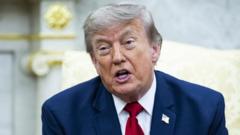
Trump Reverses Hormuz Tariff Decision Amid Escalating Iran Strategy
In a significant policy shift, the Trump administration has withdrawn its recently announced intention to impose a 20% fee on vessels transiting the Strait of Hormuz, marking a reversal made just 24 hours after the initial announcement. The decision comes as the United States continues its aggressive campaign to maintain control over the critical waterway while intensifying restrictions on Iranian port operations. The Hormuz tariff proposal, which would have generated substantial revenue while discouraging shipping through the strategic passage, has been abandoned in favor of a more direct blockade approach.
Context of the Hormone Tariff Proposal
The original proposal to implement a Hormuz tariff represented an unconventional approach to managing Middle East shipping and extending US economic pressure on Iran. The measure would have charged international cargo vessels a fee for safe passage through one of the world's most critical maritime chokepoints, through which approximately one-third of global oil shipments pass annually. However, the rapid reversal suggests internal policy reconsiderations or shifting strategic priorities within the administration.
US Port Blockade Strategy Intensifies
Rather than pursuing the tariff mechanism, the United States has opted to strengthen its direct blockade of Iranian ports. This strategy aims to prevent Iran from exporting oil and other commodities while limiting its access to imported goods. The blockade represents a continuation of the maximum pressure campaign designed to constrain Iran's economic capabilities and influence in the region. Military assets have been repositioned to enforce restrictions on vessel movements, with enhanced surveillance and interdiction protocols now in place.
Implications for Global Shipping
The decision to abandon the Strait of Hormuz tariff while maintaining port blockades creates a complex situation for international maritime commerce. While shipping companies avoid additional fees for passage through the waterway, they face increased uncertainty regarding cargo destined for Iranian ports. Lloyd's of London and other maritime insurance providers have already factored elevated risk premiums for vessels operating in the region due to ongoing tensions and military presence.
International Response and Concerns
Global trading partners have expressed varying reactions to the policy shift. European nations, particularly those still engaged in negotiations over the Joint Comprehensive Plan of Action (JCPOA), view the escalating blockade with concern regarding potential humanitarian impacts. Asian economies heavily dependent on Middle Eastern oil have urged caution to prevent further disruption to energy supplies. The US Iran tensions continue to reverberate through international commodity markets, affecting oil prices and shipping insurance costs.
Strategic Objectives Behind the Blockade
Administration officials have indicated that the intensified blockade serves multiple strategic objectives beyond economic pressure. The campaign aims to weaken Iran's ability to support regional proxy forces, limit funding for military programs, and incentivize diplomatic negotiations. By focusing on direct port restrictions rather than tariffs on international traffic, policymakers appear to believe they can achieve greater leverage while minimizing international backlash against measures affecting neutral shipping.
Military Enforcement and Regional Stability
US naval forces have been tasked with enforcing the blockade through enhanced patrols and inspection operations. The deployment includes aircraft carrier groups and guided-missile destroyers positioned to monitor shipping lanes and intercept suspicious vessels. These operations have raised concerns among regional states regarding potential escalation risks and the possibility of miscalculation leading to armed conflict. The presence of multiple international naval forces in the Strait of Hormuz region increases complexity in managing maritime security.
Economic Ramifications of the Policy Shift
The abandonment of the tariff proposal eliminates a potential revenue stream while maintaining economic pressure through blockade mechanisms. Energy markets have responded to the continued restrictions with heightened volatility, as traders assess the impact on global oil supplies. The Middle East shipping policy adjustments will likely influence investment decisions in regional infrastructure and trade patterns for months to come.
Looking Ahead
The reversal of the Hormuz tariff announcement demonstrates the fluid nature of Trump administration policy regarding Iran. Future developments may include further modifications to the blockade strategy or alternative economic measures. International observers will closely monitor whether the direct port blockade achieves stated objectives or prompts unintended consequences for global commerce and regional peace.


