
Strait of Hormuz Crisis: US-Iran Tensions Escalate Over Critical Waterway
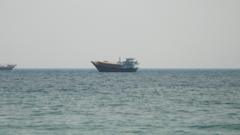
Strait of Hormuz Tensions Reach Critical Point in US-Iran Dispute
The Strait of Hormuz tensions have emerged as a defining challenge in the deteriorating relationship between Washington and Tehran, exposing fundamental vulnerabilities in previous diplomatic agreements. The strategic waterway, through which approximately one-third of global maritime petroleum traffic flows, has transformed into a flashpoint for escalating geopolitical confrontation as both nations assert competing claims over territorial and operational control.
Historically, the Strait of Hormuz has represented one of the world's most economically vital maritime passages, connecting the Persian Gulf to the Arabian Sea and the Indian Ocean. This narrow corridor spans merely 54 kilometers at its widest point, making it an indispensable chokepoint for international trade and energy security. For decades, maintaining freedom of navigation through these waters has been a cornerstone of global maritime law and economic stability.
Breakdown of Diplomatic Framework and Ceasefire Collapse
Recent months have witnessed the progressive unraveling of the ceasefire mechanisms established between the two powers, fundamentally undermining previous diplomatic achievements. The deterioration stems from competing interpretations of maritime rights and strategic dominance, with each nation advancing assertive positions that challenge the other's operational authority in surrounding waters.
Iran has systematically increased its military presence and naval exercises within the region, citing national security concerns and the necessity to protect its territorial interests. These actions have been countered by elevated American military deployments and enhanced surveillance operations, creating an environment of heightened tension and mutual suspicion that threatens the fragile equilibrium previously established through international negotiation.
Economic and Strategic Implications
The instability threatening the Strait of Hormuz carries profound implications for global economic systems. Disruptions to shipping lanes could precipitate significant increases in energy prices worldwide, affecting everything from manufacturing to consumer goods. Insurance premiums for commercial vessels transiting these waters have already begun climbing as underwriters assess elevated risk factors associated with potential military confrontations.
International shipping companies have begun reassessing their route planning and operational protocols, with some vessels taking longer alternative routes around the African continent to avoid potential hazards. This rerouting increases fuel consumption, extends delivery timelines, and ultimately drives up costs for international commerce and consumers globally.
Weaknesses Exposed in Previous Agreements
The current crisis has illuminated significant structural weaknesses in the frameworks designed to manage US-Iran relations. Previous diplomatic initiatives failed to establish sufficiently robust monitoring mechanisms and conflict-resolution procedures that could address the underlying strategic competition between the two nations. The absence of clear, enforceable protocols for maritime conduct has allowed both parties to maintain ambiguous positions on acceptable behavior in contested waters.
Expert analysts point to inadequate provisions for addressing new security technologies, evolving military capabilities, and changing regional power dynamics when evaluating the limitations of existing agreements. These instruments were negotiated under different geopolitical circumstances and have proven insufficient for managing contemporary challenges that neither party anticipated during original negotiations.
International Response and Regional Concerns
Global maritime powers have expressed significant concern regarding potential disruptions to international commerce and freedom of navigation. The European Union, Japan, South Korea, and other major trading nations with substantial interests in Persian Gulf commerce have called for de-escalation and renewed diplomatic engagement.
Regional actors, including Saudi Arabia, the United Arab Emirates, and other Gulf Cooperation Council members, have intensified efforts to mediate discussions between Washington and Tehran. These nations recognize that sustained conflict would undermine their own economic interests and regional stability, making diplomatic resolution increasingly urgent.
Future Outlook and Diplomatic Possibilities
Despite deteriorating conditions, diplomatic channels remain open, with international organizations and neutral mediators exploring pathways toward renewed agreements that could address current grievances while establishing more durable frameworks for long-term stability. Success will require both the United States and Iran to demonstrate willingness to negotiate in good faith and accept compromises that address each nation's legitimate security concerns while preserving global maritime commerce and international law.
The resolution of Strait of Hormuz tensions will likely determine the trajectory of broader US-Iran relations and influence regional stability for years to come. Sustained commitment to diplomatic solutions, supported by international consensus on maritime security principles, remains essential for preventing escalation and protecting global economic interests dependent on unobstructed passage through these critical waters.


