
British Survivor Recounts Wildfire Escape as Wife and Friends Perished Fleeing
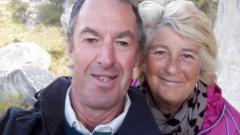
Briton's Harrowing Account of Spain Wildfire Survival
Malcolm Timbrell has emerged as a Spain wildfire survivor with a deeply tragic story to tell. While sheltering in his vehicle during the ferocious blaze that ravaged his village, the British resident witnessed the devastating consequences of attempting to flee on foot. His wife and several close companions made the fateful decision to run to safety, a choice that would ultimately prove catastrophic as the inferno swept through their community with unforgiving speed.
The incident represents one of the most heartbreaking outcomes of the Spain wildfire crisis, where split-second decisions about evacuation methods determined who lived and who perished. Timbrell's experience underscores the unpredictable and deadly nature of wildfires, which can change direction and intensity within moments, leaving no margin for error in survival strategies.
The Moment Timbrell Chose to Seek Shelter in His Vehicle
When the wildfire approached their village with alarming velocity, Malcolm Timbrell faced a critical decision. Rather than join his wife and friends in attempting to escape on foot through the advancing flames, he made the difficult choice to remain with his car and use it as a refuge. This decision, made in desperation and without time for careful deliberation, ultimately saved his life.
Inside his vehicle, Timbrell endured intense heat and smoke while the inferno raged around him. The car's metal frame and windows provided minimal but crucial protection from the direct force of the flames. His strategy of sheltering in place, though agonizing and terrifying, proved effective in circumstances where outdoor exposure would have been lethal.
The Tragic Loss of His Loved Ones
The Spain wildfire claimed the lives of Timbrell's wife and their friends who chose to flee on foot. Running through burning terrain in an attempt to reach safety, they were overtaken by the rapidly advancing flames. Their deaths highlight the devastating reality that even well-intentioned escape efforts can fail when facing the raw power of an uncontrolled wildfire.
The loss represents not only a personal tragedy for Timbrell but also underscores the broader humanitarian crisis created by the devastating wildfire that swept through the region. Families were torn apart in moments, and decisions made under extreme pressure often proved to be the difference between survival and death.
Understanding Wildfire Behavior and Evacuation Risks
Emergency management experts have long debated the most effective evacuation strategies during wildfires. The Spain wildfire incident involving Timbrell and his family illustrates the complex challenges residents face when trying to escape advancing flames. Traditional evacuation wisdom emphasizes moving away from danger, but when fire spreads faster than vehicles or people can travel, remaining in a protected shelter sometimes becomes the more viable option.
Modern wildfire research indicates that vehicles can provide temporary refuge when equipped with proper precautions. Closing windows, turning on headlights, and driving slowly through reduced visibility created by smoke can help occupants survive. However, this strategy only works if the vehicle doesn't become trapped by flames cutting off escape routes or if fuel doesn't ignite.
The Broader Context of the Spain Wildfire Disaster
The village where Timbrell and his family resided was among numerous communities affected by the Spain wildfire that devastated the region. These uncontrolled fires have become increasingly common and severe, driven by climate change, prolonged droughts, and rising temperatures across Southern Europe. The Spain wildfire represented one of several major incidents that season, straining emergency response resources across the country.
Residents in wildfire-prone areas face mounting anxiety about future seasons. The experience of families like Timbrell's serves as a sobering reminder of the life-and-death stakes involved in wildfire events. Communities are increasingly demanding better early warning systems, more robust evacuation plans, and improved building codes to enhance survival prospects.
Survivor's Testimony and Its Impact
Malcolm Timbrell's account of his experience has resonated deeply with people facing similar wildfire risks. His testimony provides valuable insights into decision-making during catastrophic events and the sometimes counterintuitive nature of survival. While his choice to shelter in his vehicle saved his life, it came at the devastating cost of losing his wife and friends.
The Spain wildfire survivor's story has prompted renewed discussions about evacuation protocols and emergency preparedness in fire-prone regions. Authorities are reviewing their recommendations to ensure residents receive the most current and effective guidance for responding to advancing flames.
Moving Forward After Tragedy
Timbrell's survival carries the weight of survivor's guilt, a common psychological challenge for those who endure disasters that claim the lives of their loved ones. The Spain wildfire left behind devastated families and communities grappling with loss and the need to rebuild both physically and emotionally.
As wildfires continue to pose threats across Europe and globally, the lessons from incidents like the Spain wildfire remain relevant and urgent. Preparedness, informed decision-making, and access to reliable emergency information are critical factors in determining survival outcomes during these catastrophic natural events.


