
Hungary's Parliament Votes to Dismiss President Sulyok
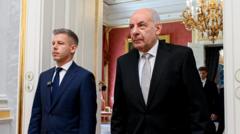
Hungary's Parliament Votes to Remove President from Office
In a significant political development, Hungary's parliament has voted to remove President Tamás Sulyok from his position. This unprecedented decision marks a turning point in Hungarian politics, particularly given Sulyok's well-documented alignment with former Prime Minister Viktor Orbán's political agenda.
Background on President Sulyok's Political Allegiances
Tamás Sulyok was widely recognized throughout Hungary and the international community as a loyal supporter of Viktor Orbán's political movement. His presidency came at a time when Orbán's influence over Hungarian governance had been substantial. The removal of Hungary's president reflects growing tensions within the political landscape as new leadership seeks to establish different governance priorities.
Viktor Orbán's Loss of Power
The broader context for this parliamentary action involves Viktor Orbán's departure from the prime ministerial office in April, concluding an unprecedented 16-year tenure. Orbán's extended period in power fundamentally shaped Hungarian politics and policy during two decades of significant change. His exit from the premiership created a power vacuum and allowed new political forces to reorganize governmental structures and personnel.
The Parliamentary Vote and Its Significance
The decision by Hungary's parliament to remove the president represents a decisive moment for the nation's political institutions. This vote demonstrates the legislative body's capacity to check executive authority and reshape the balance of power. The removal process reflects democratic mechanisms at work, even as it signals major shifts in Hungary's political direction following Orbán's exit from prime ministerial duties.
Implications for Hungarian Governance
The removal of Hungary's president is likely to have cascading effects throughout the government structure. With Sulyok's departure, the new parliamentary majority gains greater control over presidential functions and can potentially align the executive branch more closely with their policy objectives. This realignment may signal substantial changes in Hungary's domestic and foreign policy approaches.
International Perspective on Hungary's Political Transition
International observers have been closely monitoring developments in Hungary following the power shift from Orbán's prolonged leadership. The removal of Hungary's president underscores the complexity of post-Orbán politics and suggests that institutional changes will accompany generational shifts in political leadership. This transition period may result in Hungary pursuing different diplomatic and economic strategies on the global stage.
Looking Forward
The parliamentary decision to remove the president establishes a new phase in Hungarian politics. As the nation moves beyond Orbán's influence, questions remain about the direction of governance, constitutional reforms, and Hungary's relationship with European Union institutions. The removal process itself demonstrates that despite previous concentration of power, democratic institutions retain the capacity to enforce accountability and facilitate political transitions in Hungary.


