
Military Bases to House Up to 3,750 Asylum Seekers Across UK
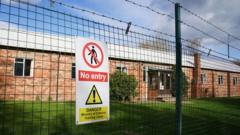
Home Office Expands Military Base Strategy for Asylum Accommodation
The Home Office is advancing plans to utilize military bases for accommodating asylum seekers across the United Kingdom. This strategic approach aims to address ongoing accommodation challenges by converting existing military facilities into temporary housing solutions. Three newly proposed asylum seekers military bases locations in Oxfordshire, Suffolk, and Yorkshire could collectively provide shelter for approximately 3,750 individuals, should planning permission be granted.
Three Strategic New Locations Announced
The expansion initiative targets three distinct regions across England with significant untapped capacity. The proposed sites represent a coordinated effort to distribute asylum accommodation more evenly throughout the country rather than concentrating placements in urban centers. Each location has been selected based on available infrastructure, existing facilities, and capacity to support vulnerable populations during their asylum determination processes.
Oxfordshire Facility Expansion
The Oxfordshire location represents one component of this broader accommodation strategy. Military installations in this region possess the structural requirements and available space needed for conversion into residential facilities. The Home Office has indicated that this site could accommodate a significant portion of the projected capacity, pending approval from local planning authorities and necessary regulatory bodies.
Suffolk's Role in National Strategy
Suffolk's proposed military base facility would contribute substantially to the overall accommodation goal. The geographic location offers advantages for distribution of asylum seekers across different regions, reducing concentration in specific areas and promoting more balanced resource allocation throughout the country.
Yorkshire Facility Development
The Yorkshire site completes the trio of proposed locations, bringing the combined potential to house approximately 3,750 asylum seekers. This northern location adds geographic diversity to the Home Office's accommodation strategy and addresses regional demands for increased capacity.
Regulatory Requirements and Planning Permission
Crucially, all three proposed asylum seekers military bases locations require formal planning permission before implementation can proceed. Local authorities in each region must evaluate planning applications against existing development policies, environmental considerations, and community impact assessments. The Home Office has engaged with relevant local councils to facilitate the approval process.
Planning permission for military base conversions involves multiple assessment criteria, including infrastructure capacity, environmental impact studies, and facility management protocols. These regulatory safeguards ensure that conversions meet building standards and provide adequate services for residents.
Current Accommodation Pressures and Context
The push to expand military base usage reflects ongoing pressure on the UK's asylum accommodation system. The Home Office has faced increasing demands for suitable housing as asylum applications continue to grow. Traditional accommodation providers have reached capacity constraints, necessitating alternative solutions.
Military installations offer distinct advantages for this purpose due to their existing infrastructure, self-contained nature, and availability. Unlike commercial properties, military bases often feature communal facilities, security systems, and management structures already in place, reducing conversion costs and implementation timelines.
Implementation Timeline and Next Steps
The Home Office has established a timeline for processing planning applications related to these asylum seekers military bases proposals. Each location will progress through standard planning consultation periods, during which local residents and stakeholders can submit representations regarding the proposals.
Following consultation periods, planning committees will make formal determinations. If approved, conversion work would proceed on an accelerated schedule to bring facilities into operation as quickly as possible. The Home Office anticipates incremental opening of facilities contingent upon individual site approvals and completion of necessary preparatory work.
Capacity Enhancement Across the System
The collective capacity of 3,750 asylum seekers across these three locations represents a meaningful contribution to overall accommodation capacity. When combined with existing accommodation networks, these facilities would enhance the system's ability to respond to demand fluctuations and reduce reliance on single accommodation types.
This diversification of accommodation options strengthens the Home Office's capacity to manage asylum housing sustainably. By distributing individuals across multiple sites and geographic regions, the approach reduces concentrated demand on specific local services and infrastructure.
Broader Policy Implications
The expansion of military base usage signals the Home Office's strategic commitment to finding scalable accommodation solutions. This approach reflects lessons learned from previous temporary accommodation arrangements and incorporates feedback regarding facility management and resident welfare standards.
Policy analysts note that military base conversions represent cost-effective alternatives compared to emergency accommodation options. The existing infrastructure requires less capital investment than constructing new facilities from scratch, allowing resources to be directed toward service provision and support for asylum seekers awaiting determination of their claims.


