
King Charles Discloses Monarch's Personal Tax Payment in Historic Royal Report
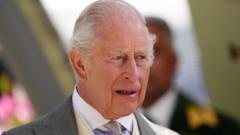
Historic Financial Transparency: King Charles Reveals Personal Tax Details
In a groundbreaking moment for the British monarchy, King Charles has decided to disclose his personal tax bill as part of the annual royal financial documentation. This unprecedented transparency regarding the King Charles tax bill marks a significant shift in how the Royal Family communicates its financial affairs to the public and represents one of the most substantial changes to royal financial reporting in recent decades.
The decision to include specific information about the monarch's personal tax contributions in the official annual financial report demonstrates a commitment to accountability and openness. This inclusion represents a watershed moment for the institution, as previous monarchs have maintained stricter confidentiality regarding their personal financial obligations and contributions to the nation's tax system.
Breaking Tradition: A New Era of Royal Financial Accountability
The royal financial report, which serves as the comprehensive accounting statement for the entire Royal Family's fiscal activities, will now contain details that were previously considered too sensitive or personal for public disclosure. By incorporating information about how much tax is paid by the monarch, King Charles has fundamentally altered the landscape of royal financial transparency.
This move comes at a time when public institutions across the United Kingdom are increasingly expected to demonstrate financial accountability and openness. The monarch's willingness to subject his personal tax arrangements to public scrutiny sends a powerful message about the importance of transparency, even at the highest levels of the establishment.
Understanding the Significance of This Disclosure
The inclusion of the monarch's personal tax bill in the annual report represents far more than a simple administrative adjustment. It signals a philosophical shift within the Royal Family toward greater engagement with modern standards of financial transparency. This approach aligns with contemporary expectations regarding how public and prominent figures should manage and report their financial responsibilities.
King Charles, since assuming the throne, has already demonstrated a commitment to modernizing various aspects of royal operations and protocols. This financial disclosure initiative continues that trajectory by removing one of the last vestiges of complete financial privacy traditionally afforded to the monarch. The decision reflects an understanding that in the contemporary era, transparency often strengthens rather than weakens institutions.
The Contents and Structure of the Updated Royal Financial Report
The annual financial report that will include details about King Charles tax bill is typically released to provide comprehensive information about the operations, expenditures, and financial management of the Royal Household. The document includes itemized breakdowns of various royal operations, including the maintenance of royal residences, staff salaries, travel expenses, and numerous other operational costs associated with the monarchy.
By adding specific information about the monarch's personal tax contributions, the updated report will offer readers a more complete picture of how the Royal Family's financial obligations are managed. This addition will allow the public and interested stakeholders to understand the tax burden borne by the monarchy itself, which has historically been a subject of considerable public speculation and debate.
Implications for Royal Financial Governance
This decision by King Charles regarding disclosure of his personal tax bill may have broader implications for how other members of the Royal Family approach financial transparency. The precedent established by the monarch's willingness to disclose could influence future decisions by senior royals regarding their own financial arrangements and public reporting.
Additionally, this move may prompt other institutions and prominent figures to reconsider their own approaches to financial transparency. When the monarchy takes steps toward greater openness, it often encourages other sectors to evaluate whether they are meeting contemporary standards for accountability and public disclosure.
Public Reception and Expectations
The revelation that King Charles will disclose his personal tax bill has been met with considerable interest from both the media and the general public. This decision addresses longstanding questions about the financial contributions made by the monarchy and provides an opportunity for the public to engage more directly with information about how royal finances are managed.
The move demonstrates recognition that modern governance requires higher levels of transparency than were previously considered necessary or appropriate. By proactively addressing this issue, King Charles has positioned the monarchy as an institution willing to adapt to changing public expectations regarding financial accountability.
Moving Forward: The Future of Royal Financial Transparency
As the annual financial report incorporating details about King Charles tax bill is released, it will mark the beginning of a new chapter in how the British monarchy communicates its financial affairs. This change establishes a template that future monarchs and members of the Royal Family may be expected to follow, further embedding transparency into the institution's operational framework.
The disclosure of the monarch's personal tax bill represents an important step toward modernizing the monarchy while maintaining its dignity and institutional integrity. This balance between tradition and contemporary accountability will likely define how the Royal Family continues to evolve in the years ahead.


