
Banksy Artworks Cost Taxpayers Nearly £150,000 in Public Funds
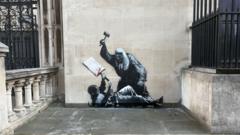
Banksy Artworks Cost Taxpayers Nearly £150,000 in Public Funds
Recent Freedom of Information requests have uncovered substantial expenses associated with Banksy artworks across the United Kingdom. These Banksy artworks taxpayer costs have reached almost £150,000, representing a significant financial burden on the public purse that continues to accumulate.
Understanding the Financial Impact
The revelation of these mounting costs has sparked considerable debate about public spending priorities. The expenses linked to Banksy's pieces are not merely limited to the initial creation or acquisition, but include ongoing maintenance, protection, and administrative oversight. As Banksy artworks become increasingly valuable and sought-after by institutions and collectors worldwide, the costs associated with their preservation and security have escalated dramatically.
Detailed Breakdown of Expenses
Several local councils and government departments have disclosed varying expenditures related to protecting and maintaining these iconic street art installations. The costs encompass security measures, restoration work, and staff time dedicated to managing public interest and vandalism prevention. In some cases, councils have invested in protective barriers and surveillance systems to safeguard these pieces from further modification or removal.
Security and Maintenance Costs
A substantial portion of the nearly £150,000 represents security infrastructure designed to prevent damage to these valuable artworks. Professional assessment teams have evaluated the artistic and cultural significance of each piece, determining appropriate protection levels. This has resulted in the installation of polycarbonate shields, CCTV systems, and regular inspections.
Administrative and Legal Expenses
Beyond physical protection, councils have incurred considerable costs for legal consultations, planning permissions, and administrative oversight. When Banksy artworks are discovered, local authorities must determine ownership rights, assess historical value, and decide whether preservation efforts align with community interests and budgetary constraints.
Rising Costs and Future Projections
What makes this financial disclosure particularly noteworthy is the indication that expenses are still rising. As Banksy's work gains international recognition and monetary value, protection and preservation costs continue to climb. Some municipalities have reported significant increases year-on-year, suggesting that future expenditures could exceed current figures substantially.
The escalating nature of these costs raises important questions about resource allocation and public spending priorities. Decision-makers must balance cultural preservation with fiscal responsibility, considering whether maintaining these artworks represents the best use of taxpayer funds in an era of budget constraints.
Public Opinion and Controversy
The revelation of nearly £150,000 spent on Banksy artworks has generated mixed reactions among taxpayers and cultural commentators. Some argue that preserving these significant works of contemporary art justifies the investment, citing their cultural value and international importance. Others contend that funds could be better allocated to essential public services including education, healthcare, and infrastructure.
Local communities hosting these artworks often view them as tourist attractions and sources of civic pride, though this sentiment is not universal. Some residents question the appropriateness of publicly funding the protection of unauthorized street art, particularly when the artist's identity and intentions remain contested.
The Broader Context of Street Art Funding
These Banksy artworks taxpayer expenses reflect a broader phenomenon in contemporary art appreciation. What began as unauthorized street art has evolved into recognized cultural artifacts worthy of preservation. Museums and institutions worldwide now actively acquire or document street art, legitimizing a practice that was once considered vandalism.
The financial commitment to protecting these pieces demonstrates how contemporary art forms have challenged traditional definitions of public investment in culture. Councils must navigate complex decisions about which artworks merit protection, how to balance preservation with authenticity, and whether public funds should support art created without permission.
Future Considerations
As expenditures continue to rise, local authorities are exploring alternative approaches to managing Banksy artworks and similar contemporary pieces. Some councils are investigating grants, partnerships with cultural organizations, and crowdfunding initiatives to distribute costs beyond municipal budgets. Others are documenting pieces comprehensively for digital archives, reducing reliance on physical preservation infrastructure.
The ongoing financial impact of these famous street art installations will likely remain a subject of public scrutiny and debate. Whether communities determine that preserving these works represents appropriate public investment will depend on evolving cultural values and budgetary priorities in the years ahead.


