
Indian Medical Students Face Enhanced Security Amid Paper Leak Investigation
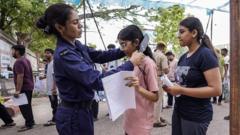
Enhanced Security Protocols for Medical Examination Retake
Indian authorities have implemented comprehensive security measures for the rescheduled medical examination following serious allegations of a paper leak investigation that disrupted the original testing cycle. The implementation of these stringent protocols reflects the government's commitment to maintaining exam integrity and restoring public confidence in the education system.
The paper leak investigation has prompted officials to deploy unprecedented safeguarding procedures, including mandatory biometric verification for all participating candidates. This multi-layered approach to examination security represents one of the most significant enforcement efforts undertaken in recent years.
Military Involvement in Exam Supervision
In a move underscoring the gravity of the situation, the Indian Air Force has been mobilized to oversee the distribution and protection of examination materials. Military personnel have been positioned at test centers across the nation to maintain vigilance throughout the assessment period.
The decision to involve armed forces personnel demonstrates the scale of concern surrounding the original paper leak investigation and the necessity to prevent similar incidents. Security checkpoints have been established at all examination venues, with air force officers coordinating directly with civilian education authorities.
Comprehensive Screening Procedures
All candidates participating in the retake examination must undergo thorough physical screenings, commonly referred to as frisking, before entering examination halls. These searches are designed to detect any unauthorized materials or electronic devices that could facilitate academic dishonesty.
The biometric verification system employed during the paper leak investigation aftermath captures fingerprint and facial recognition data from every participant. This technological infrastructure allows administrators to maintain precise records of attendance and prevent unauthorized substitution.
Impact on Millions of Candidates
The retake affects millions of medical aspirants across India who will experience these enhanced security measures. Candidates have been informed of the new protocols through official channels and educational institutions.
Educational bodies have released detailed guidelines explaining the paper leak investigation findings and the resulting security enhancements. Students must arrive at examination centers well in advance to accommodate the extended screening procedures implemented as a direct response to the paper leak investigation.
Restoration of Public Confidence
Officials have emphasized that the comprehensive approach to the paper leak investigation and subsequent security deployment aims to restore faith in the examination system. The visible presence of military personnel and implementation of biometric technology serve as tangible evidence of the government's commitment to preventing future breaches.
The paper leak investigation has prompted educational authorities to review existing protocols and implement technological solutions previously not considered necessary. The retake examination represents an opportunity to demonstrate that measures are in place to protect the integrity of future assessments.
Examination Center Logistics
Management of the expanded security procedures has required substantial coordination among multiple government agencies. Each examination center has been equipped with biometric scanners and staffed with additional security personnel beyond normal operational requirements.
The paper leak investigation results informed the deployment strategy, with particular focus on high-risk areas and centers that had experienced previous irregularities. Detailed contingency plans have been established to address any potential security breaches during the retake process.
Future Implications for Education System
The comprehensive response to the paper leak investigation is expected to influence security protocols for future national-level examinations. Education ministry officials have indicated that enhanced screening measures may become standard practice for high-stakes assessments.
The paper leak investigation has exposed vulnerabilities in previous systems, leading to technological upgrades and procedural refinements that will benefit the broader educational infrastructure. These improvements are anticipated to strengthen the credibility of medical entrance assessments and similar competitive examinations.


