
Ukraine Strikes Oil Facilities in Occupied Crimea Halting Fuel Sales
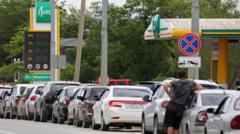
Fuel Sales Completely Halted in Occupied Crimea Following Strategic Strikes
The fuel sales halt in occupied Crimea represents a significant escalation in Ukraine's campaign against energy infrastructure in Russian-controlled territories. Ukrainian forces have intensified their targeting of critical oil facilities throughout the peninsula, forcing authorities to implement emergency measures affecting civilian and military operations alike.
This fuel sales halt comes after months of ongoing supply disruptions that had already forced rationing systems across Russian-occupied regions. The cumulative effect of repeated strikes on petroleum infrastructure has now reached a critical point where commercial fuel distribution has become virtually impossible to sustain.
Escalating Attacks on Energy Infrastructure
Ukrainian military operations have systematically targeted supply routes and processing facilities that feed fuel into occupied territories. The strategy focuses on disrupting Russian logistics networks that depend heavily on energy resources to maintain occupation forces and support civilian infrastructure under their control.
Earlier phases of the campaign had already created severe shortages, necessitating strict rationing protocols. Citizens and military personnel in occupied areas faced weekly or monthly allocation limits on available fuel. However, the recent intensification of attacks on key oil facilities has pushed the situation beyond manageable rationing into complete distribution collapse.
Supply Chain Disruption and Strategic Impact
The targeting of oil facilities represents part of a broader Ukrainian strategy to undermine Russian operational capabilities in occupied territories. By focusing on energy infrastructure rather than military installations, Ukraine addresses the foundational systems that sustain occupation authority.
Supply routes running through occupied Crimea and surrounding Russian-controlled regions have become increasingly vulnerable to Ukrainian strikes. These routes typically transport refined petroleum products from facilities across southern Russia, supplying both military units and civilian populations under occupation.
Consequences for Occupied Territories
The fuel sales halt creates cascading effects throughout occupied regions. Transportation sectors face severe limitations, agricultural operations dependent on fuel cannot function normally, and heating systems struggle during colder months. Power generation facilities that require petroleum products to supplement natural gas supplies face operational constraints.
For Russian military forces, reduced fuel availability directly impacts mobility, logistical support, and operational tempo. Supply convoys face longer routes to avoid vulnerable transport corridors, increasing costs and exposure to further Ukrainian attacks. The fuel sales halt effectively multiplies the challenges already posed by damaged infrastructure and compromised supply networks.
Civilian Impact and Humanitarian Concerns
Occupied populations experience direct consequences from the fuel sales halt and associated shortages. Public transportation systems operate on limited schedules or suspend service entirely. Emergency services including ambulances and fire brigades face fuel rationing that could compromise response capabilities.
The fuel sales halt also affects heating infrastructure critical for survival during winter months. Civilians dependent on fuel-based heating systems face difficult choices between energy costs and basic comfort. Healthcare facilities, water treatment plants, and other essential services relying on diesel generators operate under severe constraints.
Russian Response and Adaptation Efforts
Russian authorities have attempted to compensate for the fuel sales halt through alternative supply routes and emergency reserves. However, these measures prove insufficient to meet demand across occupied territories. Priority allocation systems direct available fuel to military operations and essential government functions, leaving civilian sectors with minimal access.
Replacement supply infrastructure takes time to establish and remains vulnerable to the same Ukrainian targeting strategies. Attempts to rebuild damaged facilities encounter ongoing operational challenges and security risks, slowing reconstruction efforts significantly.
Strategic Implications for the Conflict
The fuel sales halt represents a measurable success for Ukrainian military planning focused on degrading Russian occupation capability without requiring large-scale military offensives. Energy infrastructure attacks offer psychological impact alongside tactical damage, demonstrating Ukraine's ability to strike within Russian-controlled territory despite occupation.
This approach aligns with Ukraine's broader strategy of making occupation unsustainable by progressively eliminating the infrastructure necessary to support it. Fuel supply disruptions combine with attacks on electrical infrastructure, water systems, and other critical facilities to create compounding strain on Russian administration and military presence in occupied territories.


