
Strait of Hormuz Reopening Pushes Oil Prices Down
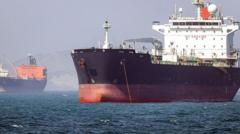
Oil Prices Decline as Strait of Hormuz Reopening Progresses
Global oil prices continue to fall amid renewed optimism surrounding the potential reopening of the Strait of Hormuz, one of the world's most critical maritime passages for energy transport. Oil prices decline significantly as diplomatic efforts yield tangible results, with high-ranking US government officials confirming substantial advancement in negotiations aimed at restoring normal commercial operations through this strategic waterway.
US Officials Confirm Negotiation Breakthrough
Secretary of State Marco Rubio and Treasury Secretary Scott Bessent have both publicly announced that ongoing discussions have reached a point where resumption of shipments through the Strait of Hormuz appears increasingly feasible. This development represents a major turning point in international energy negotiations, directly influencing market sentiment and commodity valuations across global trading platforms.
The coordinated announcements from both the State Department and Treasury indicate a unified governmental approach to resolving the geopolitical complexities that previously restricted maritime activities in this vital corridor. Oil prices decline further as market participants respond positively to these official declarations, signaling confidence in the diplomatic process.
Strategic Importance of the Strait of Hormuz
The Strait of Hormuz represents approximately one-third of all seaborne traded petroleum globally, making its operational status fundamentally important to world energy security and price stability. Any disruption to shipping through this narrow passage between Iran and Oman creates immediate ripple effects throughout international commodity markets, affecting everything from gasoline prices to industrial energy costs.
The prospects of restoring regular traffic flows have prompted investors and energy traders to reassess their market positions. Oil prices decline as confidence grows that energy supply chains will stabilize, reducing the geopolitical risk premiums that typically inflate crude valuations during periods of uncertainty.
Impact on Global Energy Markets
The potential restoration of normal operations through the Strait of Hormuz addresses one of the most persistent concerns for energy traders and multinational corporations dependent on reliable petroleum supplies. When oil prices decline under these circumstances, it reflects broader market optimism about reducing supply-side constraints that have plagued the sector.
Financial analysts note that successful reopening of the Strait would alleviate supply concerns that have persisted for extended periods, allowing crude producers to access markets more efficiently while reducing transportation costs and insurance premiums associated with alternative routing options.
Diplomatic Progress and Commercial Implications
The progression of talks toward agreement on resumed shipments demonstrates diplomatic effectiveness in addressing one of the most challenging geopolitical obstacles to free trade. Both Treasury Secretary Scott Bessent and Secretary of State Marco Rubio emphasized that substantial ground has been covered in negotiations, though final agreements still require ongoing discussions.
Commercial shipping interests have closely monitored these developments, as reopening the Strait would eliminate costly detours around the African continent that shipping companies have been forced to employ during periods of restricted passage. The financial implications of restoring this efficient shipping route extend far beyond oil commodities to include liquefied natural gas, petrochemicals, and various other trade goods.
Market Sentiment and Future Outlook
The combination of official US government announcements confirming negotiation progress has created measurable shifts in commodity market behavior. Oil prices decline not merely from actual resumed shipments, but from the credibility establishment associated with high-level government officials presenting coordinated statements regarding diplomatic achievements.
Energy markets respond with particular sensitivity to signals emanating from Treasury and State Department leadership, as these institutions hold substantial influence over international sanctions regimes and trade policy frameworks that directly impact energy sector operations. When both officials announce progress simultaneously, market participants interpret this as reflecting institutional consensus within the US government.
Conclusion
The ongoing negotiations surrounding the Strait of Hormuz reopening represent a significant development for global energy stability. Oil prices decline as diplomatic efforts demonstrate tangible progress, offering hope that one of the world's most consequential maritime passages will soon return to normal commercial operations, benefiting energy markets, international trade, and global economic stability.


