
Aftershock Fears Rise as Venezuelans Face Survival Struggles
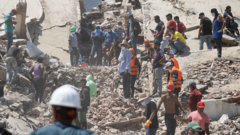
Earthquake Aftermath Grips Venezuelan Communities
The Venezuelan earthquake aftermath has created an unprecedented humanitarian crisis across multiple regions, as communities grapple with the devastating consequences of consecutive seismic events. Thousands of residents are confronting a dire situation where organized rescue operations remain limited, forcing desperate families to rely on makeshift solutions and community-driven initiatives to extract trapped individuals from collapsed structures.
Improvised Rescue Operations Underway
In neighborhoods most severely impacted by the twin earthquakes, residents are employing whatever tools they can access to conduct search and rescue operations. Armed with crowbars, pickaxes, shovels, and in many cases nothing more than their own hands, determined community members are systematically removing rubble and debris from damaged buildings. These grassroots efforts represent the primary lifeline for survivors, as official rescue infrastructure proves insufficient to meet the overwhelming demand across affected areas.
Community Resilience in Crisis
The absence of comprehensive government coordination during this Venezuelan earthquake aftermath has prompted neighbors to organize themselves into informal rescue teams. Working around the clock, these volunteers have demonstrated remarkable perseverance despite the physical and emotional toll of their work. Many participants are simultaneously searching for their own missing family members while assisting strangers, highlighting the community solidarity that emerges during catastrophic events.
Infrastructure Damage and Accessibility Challenges
The twin earthquakes have significantly compromised infrastructure throughout affected regions, complicating both rescue and recovery operations. Roads remain partially blocked by debris, limiting the passage of emergency vehicles and making it difficult for aid organizations to distribute critical supplies. Power outages persist in many areas, eliminating electric-powered rescue tools that might otherwise expedite operations and improve rescue success rates.
Medical Response Overwhelmed
Healthcare facilities sustained considerable damage during the seismic events, reducing their capacity precisely when demand for medical services has skyrocketed. Injured survivors who manage to escape from collapsed buildings face challenges in accessing adequate medical treatment, as hospitals operate with limited resources and damaged equipment. This medical crisis compounds the overall Venezuelan earthquake aftermath, as preventable complications arise from delayed or inadequate care.
Psychological Toll and Aftershock Anxiety
Beyond physical destruction, the Venezuelan earthquake aftermath has created widespread psychological distress among survivors and rescue workers. Repeated aftershocks trigger anxiety and panic among those working in unstable ruins, as the threat of additional collapses remains present. This constant fear has created a psychological dimension to the crisis that extends beyond immediate physical injuries, affecting decision-making and rescue operation timing.
Vulnerable Population Impact
The twin earthquakes have disproportionately affected Venezuela's most vulnerable populations, including elderly residents, people with disabilities, and families living in poorly constructed housing. These communities face greater difficulties accessing rescue assistance and lack resources to relocate to safer temporary shelters. The Venezuelan earthquake aftermath therefore exacerbates existing socioeconomic inequalities, creating a secondary crisis within the larger disaster.
Resource Scarcity and Sustainability Concerns
As rescue efforts continue into subsequent days, resource depletion threatens the sustainability of community-led operations. Fuel shortages limit generator availability for lighting nighttime rescue work, while food and water supplies for both rescue workers and survivors remain inadequate. The Venezuelan earthquake aftermath reveals critical vulnerabilities in the nation's disaster preparedness infrastructure and supply chain systems.
International Response and Aid Coordination
International organizations have begun mobilizing assistance, though border crossings and logistical constraints slow the delivery of specialized rescue equipment and medical supplies. The coordination between external aid providers and local authorities remains inconsistent, occasionally creating redundancies or gaps in coverage. This international dimension of the Venezuelan earthquake aftermath reflects both opportunities for external support and challenges inherent in crisis management during periods of limited government capacity.
Long-Term Reconstruction Outlook
As immediate rescue operations continue, attention gradually shifts toward long-term reconstruction planning. The twin earthquakes have created a reconstruction challenge that will require sustained international cooperation, substantial financial investment, and years of rebuilding effort. The Venezuelan earthquake aftermath will likely reshape development priorities across affected regions for the foreseeable future.


