
Russian Grain Export Hubs Targeted in Black Sea Offensive
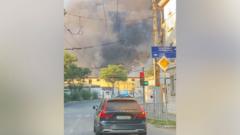
Black Sea Grain Export Crisis Deepens
The ongoing confrontation between Russia and Ukraine has escalated significantly, with grain export terminals becoming primary military objectives in the contested Black Sea region. Strategic facilities handling agricultural commodities have sustained considerable damage during recent operations, marking a critical phase in the economic warfare targeting both nations' shipping infrastructure.
Agricultural trade flows have experienced substantial disruption as competing military operations intensify around maritime commercial hubs. The targeting of export facilities represents a deliberate strategy aimed at destabilizing each nation's capacity to monetize harvested crops and maintain international market presence.
Economic Impact on Global Grain Markets
The deterioration of grain export terminals threatens worldwide food security and pricing stability. Russia traditionally ranks among the planet's largest grain suppliers, with substantial export volumes moving through Black Sea corridors. Ukraine similarly maintains critical agricultural export capabilities, making the region essential for global commodity distribution.
When these terminal facilities face operational disruption, downstream consequences ripple through international commodity markets. Grain price volatility increases, and importing nations face uncertainty regarding supply reliability. Countries dependent on Black Sea grain imports must explore alternative sourcing arrangements, often at considerably higher acquisition costs.
Shipping Infrastructure Under Siege
Beyond grain export terminals, broader shipping infrastructure has become contested territory. Port facilities, loading equipment, storage warehouses, and vessel transit routes all face heightened operational risks. Commercial shipping companies reassess their engagement in the region, weighing potential profit margins against mounting security concerns.
The destruction of critical infrastructure extends beyond immediate military objectives. Reconstruction timelines stretch across months or years, creating prolonged economic hardship for affected regions. Workers dependent on port operations face unemployment, while supply chain networks require comprehensive restructuring to accommodate operational gaps.
Strategic Military Considerations
Both Russia and Ukraine pursue asymmetrical strategies targeting each other's economic capabilities. By focusing on grain export terminals and shipping facilities, military operations directly impact civilian populations through food access and commodity availability. This represents an evolution in modern conflict methodology, where economic infrastructure becomes as strategically significant as traditional military installations.
The Black Sea represents a critical chokepoint for regional commerce, making port facilities strategically vital. Control or disruption of these assets translates directly to geopolitical leverage, explaining the intensity of military attention directed toward maritime infrastructure throughout the ongoing conflict.
Global Food Security Implications
Damage sustained by grain export terminals reverberates through international food security frameworks. Approximately one-third of worldwide wheat exports traditionally originate from the Russia-Ukraine region. When these supply channels face disruption, vulnerable populations in developing nations experience acute food availability challenges.
International organizations and humanitarian agencies monitor the situation with considerable concern. Food price inflation, already elevated due to various global factors, faces additional upward pressure when Black Sea grain exports decline. Nations dependent on affordable grain imports must allocate expanded budgetary resources toward food acquisition, straining financial resources designated for alternative critical needs.
Humanitarian and Civilian Consequences
Beyond economic metrics, port disruption creates tangible hardship for civilian populations. Employment in shipping, logistics, and port operations disappears as facilities shut down. Communities built around commercial maritime activity experience sudden economic contraction, lacking alternative income sources or immediate reemployment opportunities.
The destruction of grain export terminals also symbolizes broader conflict expansion into civilian economic sectors. Agricultural workers, shipping employees, and commercial operators become inadvertently affected by military operations targeting economic infrastructure rather than traditional military targets.
Reconstruction Challenges and Timeline Uncertainties
Restoring damaged grain export terminals and shipping facilities requires substantial capital investment, specialized expertise, and secure operating conditions. Ongoing military operations complicate reconstruction efforts, as workers face safety concerns and resources remain diverted toward conflict-related priorities.
Historical precedent suggests infrastructure reconstruction following armed conflict extends across years rather than months. The specialized nature of port facilities, coupled with potential equipment destruction, multiplies reconstruction complexity and financial requirements. Stakeholders face uncertain timelines regarding normalcy restoration in Black Sea agricultural commerce.
Conclusion
The targeting of grain export terminals and shipping infrastructure reflects modern conflict's expanded scope beyond traditional military domains. Economic disruption emerges as calculated military strategy, with global ramifications extending far beyond the immediate geographic conflict zone. As grain export capabilities remain compromised, international communities confront emerging food security challenges requiring coordinated humanitarian responses.


