
Romania Closes Nuclear Reactor Due to Danube River Low Water Levels
Romania's Nuclear Plant Faces Temporary Shutdown
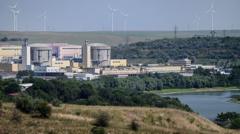
Romania has made the difficult decision to temporarily close its primary nuclear facility as Danube River low water levels have reached critical thresholds due to intense heat conditions across the region. The Cernavodă nuclear power station, which serves as the backbone of Romania's electrical infrastructure, will remain offline for at least ten days as water availability becomes increasingly constrained.
Impact on National Energy Supply
The Cernavodă plant normally accounts for approximately one-fifth of Romania's total electricity generation. This shutdown creates a significant gap in the nation's power supply infrastructure. Energy officials have expressed concern about meeting demand across residential, commercial, and industrial sectors during this period. The closure underscores the vulnerability of nuclear facilities to environmental stress factors, particularly those that depend on adequate water resources for cooling operations.
Environmental Factors Contributing to the Crisis
Danube River low water levels have become increasingly problematic throughout Central and Eastern Europe. Prolonged heat waves and reduced precipitation have combined to lower water levels substantially below historical averages. The Danube, one of Europe's most vital waterways, has experienced unprecedented stress from both climatic conditions and increased demand for water resources across multiple nations that share its basin.
Timeline for Reactor Restart
Plant operators have indicated that the Cernavodă nuclear reactor will not resume operations within the immediate ten-day window following the shutdown. The extended timeline reflects uncertainty about when water levels will recover to safe operating levels. Technicians continue monitoring both atmospheric conditions and river measurements to determine the optimal moment for safe restart procedures. Premature restart attempts could pose operational risks and potentially compromise equipment integrity.
Regional Energy Challenges
This shutdown represents a broader challenge facing European energy infrastructure. Multiple countries depend on nuclear and hydroelectric facilities that require substantial water resources. The combination of climate stress and growing energy demands has created unprecedented pressure on power generation systems. Several other nations across Europe have implemented similar restrictions on nuclear operations during this extended heat period.
Government Response and Planning
Romanian authorities are coordinating with grid operators to redistribute available power resources and minimize disruptions to consumers. Energy diversification strategies are being accelerated to reduce dependency on single facilities. The government is working with neighboring countries to assess potential power import options during this vulnerable period.
Looking Forward
The situation highlights the interconnection between climate change, water availability, and energy security. As global temperatures continue to fluctuate and extreme weather events become more frequent, energy infrastructure must adapt. The Cernavodă plant closure serves as a wake-up call for European nations to strengthen their power grids and explore alternative solutions to ensure reliable electricity supply regardless of environmental conditions.


