Venezuela Earthquake: Families Identify Victims at Emergency Morgues
Venezuela Earthquake: Families Identify Victims at Emergency Morgues
A devastating earthquake in Venezuela has created an overwhelming situation where families are forced to identify earthquake victims under difficult circumstances. The disaster has strained local services to their breaking point, leaving authorities unable to manage the volume of casualties through traditional channels. In response to this crisis, emergency personnel have established makeshift morgues in various locations to handle the grim task of victim identification.
Overwhelmed Local Services and Makeshift Solutions
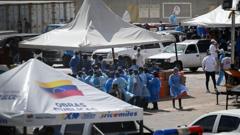
The earthquake's impact on Venezuela's infrastructure has left local authorities scrambling to respond. Traditional morgue facilities quickly reached capacity, forcing emergency responders to improvise alternative solutions. Bodies have been placed outside in the open air and within temporary tent structures, creating difficult conditions for both grieving families and those responsible for managing the deceased.
Temporary Morgue Facilities
The makeshift morgues represent an emergency response to an unprecedented situation. Government officials and healthcare workers have converted outdoor spaces and tent encampments into identification centers. These temporary facilities lack the proper refrigeration and controlled environment typically available at permanent morgue locations, adding to the challenges of preservation and identification.
Impact on Families and Communities
For grieving families, the process of identifying earthquake victims has become a traumatic and prolonged experience. The outdoor and tent-based locations force relatives to endure harsh weather conditions while searching for their loved ones among the deceased. Many families describe the experience as deeply distressing, as the informal setting and lack of amenities compound their emotional suffering during an already devastating time.
Challenges in Victim Identification Process
The identification of earthquake victims presents multiple technical and logistical difficulties for authorities managing the disaster response. Traditional fingerprint analysis and dental record matching require proper facilities and trained personnel, many of whom are themselves affected by the earthquake. The makeshift morgue setup limits the ability to conduct thorough forensic examinations.
Resource Constraints and Staffing Issues
Venezuela's healthcare system faces significant resource limitations that have become even more acute following the earthquake. Medical examiners, forensic specialists, and supporting staff are working with minimal equipment and supplies. The temporary nature of the morgues means that identification procedures take longer than they would under normal circumstances, extending the waiting period for families seeking answers about their missing relatives.
International Assistance Requests
As the scale of the disaster became apparent, Venezuelan authorities began requesting international assistance to help manage the overwhelming situation. Organizations specializing in disaster relief and victim identification have been contacted to provide expertise and resources. However, logistical challenges in delivering such assistance have complicated efforts to improve conditions at the emergency identification centers.
Psychological Impact on Affected Families
Beyond the physical challenges of identifying earthquake victims at makeshift morgues, families face significant psychological trauma. The uncertainty surrounding missing loved ones, combined with the difficult circumstances of identification, creates a prolonged period of anguish. Mental health professionals have expressed concern about the long-term psychological effects on families forced to navigate these circumstances.
Community Response and Support Networks
Despite the overwhelming challenges, local communities have mobilized to provide what support they can to affected families. Neighbors have organized assistance networks to help relatives navigate the identification process, provide transportation to makeshift morgues, and offer emotional support during this crisis period. These grassroots efforts have provided some relief to overwhelmed families.
Long-term Implications for Venezuela
The earthquake and its impact on local services highlight broader infrastructure and resource challenges facing Venezuela. The disaster has exposed critical gaps in emergency preparedness and disaster response capabilities that will require significant attention and investment to address. Beyond the immediate crisis of victim identification, authorities must develop more robust systems for handling such disasters in the future, including investment in proper facilities and trained personnel to manage earthquake victims more effectively.