
Trump Plans to Reduce US Military Exercises with South Korea Following Iran Tensions
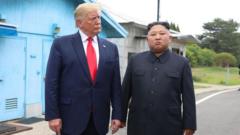
Trump Administration Announces Reduction in US Military Exercises with South Korea
The Trump administration has declared plans to significantly scale back US military exercises with South Korea, marking a notable shift in defense strategy in the Korean Peninsula. This decision regarding US military exercises with South Korea reflects broader diplomatic considerations involving North Korea and regional security concerns.
In explaining the rationale behind reducing the scope and frequency of these military drills, Trump emphasized his longstanding personal rapport with North Korean leader Kim Jong Un. The president stated that his "very good relationship" with the North Korean leadership played a central role in the decision-making process.
Strategic Rationale Behind the Military Drills Reduction
The announcement comes amid heightened tensions in the Middle East following escalating US-Iran confrontations. Administration officials indicated that the scaling back of US military exercises with South Korea should be understood within the context of broader geopolitical considerations affecting American military deployments worldwide.
Trump's approach to military drills represents a departure from decades of established defense protocols on the Korean Peninsula. These exercises, historically conducted with significant regularity and substantial force participation, have long been viewed as essential components of the US-South Korea alliance framework.
Implications for Regional Security Architecture
The reduction in US military exercises with South Korea raises questions about the long-term strategic positioning of American forces in East Asia. Security analysts have noted that such exercises serve multiple purposes beyond mere military readiness, including confidence-building measures between allied nations and demonstrations of commitment to regional stability.
South Korea's government has maintained a measured response to the announcement, acknowledging the administration's strategic prerogatives while emphasizing the importance of maintaining robust defense capabilities in light of ongoing North Korean military development.
Trump's Diplomatic Engagement with North Korea
The Trump administration's decision underscores its broader strategy of diplomatic engagement with Pyongyang. The president has repeatedly highlighted his personal relationship with Kim Jong Un as a significant diplomatic asset, suggesting that reducing military tensions through symbolic gestures like scaling back exercises could facilitate future negotiations.
This approach represents a significant departure from previous administrations' policies, which emphasized the necessity of maintaining robust military deterrence on the peninsula. Trump's characterization of his diplomatic relationship with North Korean leadership as "very good" suggests confidence in his ability to manage regional security through personal diplomacy rather than military posturing.
Global Military Posture and Iran Situation
The timing of the announcement, coinciding with US-Iran tensions, appears deliberate. Administration officials have indicated that available military resources and attention must be directed toward Middle Eastern contingencies, potentially affecting the scale and complexity of US military exercises with South Korea.
The broader military reorganization reflects Trump's stated priority of redirecting American defense resources toward what his administration considers more pressing international concerns, particularly regarding Iran and Middle Eastern stability.
Allied Concerns and Defense Commitment Questions
While South Korea has not formally objected to reductions in US military exercises with South Korea, defense analysts and some South Korean officials have expressed concerns about potential gaps in military readiness and alliance coordination. The exercises have historically served as critical opportunities for joint operational planning and force integration between American and South Korean military personnel.
The scaling back of these drills may complicate efforts to maintain interoperability between allied forces and could potentially require alternative mechanisms for joint training and strategic coordination.
Future Prospects for Regional Stability
The decision regarding US military exercises with South Korea will likely remain subject to negotiation and adjustment based on developments in Trump's diplomacy with North Korea. Administration officials have indicated flexibility in their approach, suggesting that the reduction could be reversed or modified depending on diplomatic outcomes.
Strategic observers will be watching closely to determine whether this gesture toward North Korea produces substantive progress in denuclearization negotiations or whether it represents a significant concession with limited diplomatic returns.


