Undiagnosed Hypertension Crisis: 59% of Cases Go Undetected
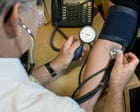
The Undiagnosed Hypertension Crisis in England
A groundbreaking investigation into undiagnosed hypertension has exposed a significant public health challenge affecting millions of English residents. The research highlights that the vast majority of individuals with uncontrolled high blood pressure remain completely unaware of their condition, putting them at considerable risk for serious cardiovascular events. The study represents the most comprehensive examination of hypertension prevalence in the country to date.
Scale of the Problem
The figures are alarming: approximately 59% of all hypertension cases remain undiagnosed, meaning nearly three in five people living with elevated blood pressure have no knowledge of their condition. This represents millions of English citizens unknowingly exposed to the dangers associated with undiagnosed hypertension. The research team emphasizes that this widespread lack of awareness constitutes a critical gap in preventive healthcare.
Among those who do receive medical treatment for hypertension through their general practitioners, the situation is only marginally better. Only 50% of patients under active treatment have successfully achieved adequate blood pressure control. This means that even among the minority receiving professional intervention, half continue to experience dangerously elevated readings, leaving them vulnerable to serious health complications.
Understanding the Silent Killer
High blood pressure earns its designation as the "silent killer" because it typically produces no noticeable symptoms while silently damaging the cardiovascular system. Most individuals cannot detect elevated blood pressure through physical sensations alone, which explains why undiagnosed hypertension poses such a substantial threat. The condition works insidiously, gradually weakening blood vessel walls and forcing the heart to work harder, often without the patient's knowledge.
Risk Factors and Complications
Undiagnosed hypertension significantly increases the probability of experiencing life-threatening events. Individuals with uncontrolled high blood pressure face substantially elevated risks of stroke, myocardial infarction (heart attack), and premature mortality. The longer high blood pressure remains unchecked, the greater the cumulative damage to vital organs including the brain, heart, and kidneys.
Systemic Failures in Current Approach
Healthcare researchers have concluded that the present strategy for managing high blood pressure in England is fundamentally inadequate and "not fit for purpose." The current approach fails to identify the majority of cases, leaving the healthcare system unable to intervene before serious damage occurs. Experts argue that a comprehensive overhaul is necessary to address the detection gap and improve treatment outcomes.
The diagnostic shortfall stems from multiple factors: insufficient routine blood pressure screening, limited accessibility to healthcare services, and the asymptomatic nature of the condition itself. Many individuals never have their blood pressure measured regularly, meaning their hypertension remains completely unknown. Meanwhile, those who do receive treatment often experience challenges in achieving consistent control through lifestyle modifications and pharmaceutical interventions.
Implications for Public Health
The research findings underscore a pressing need for enhanced public awareness campaigns regarding undiagnosed hypertension. Citizens must understand that regular blood pressure monitoring is essential, regardless of perceived symptoms or risk factors. Healthcare providers must implement more aggressive screening protocols to identify cases earlier in their development.
The study suggests that improved access to preventive care, regular monitoring programs, and better patient education could dramatically alter the trajectory of hypertension management in England. Investment in community health initiatives and primary care resources could help close the substantial gap between diagnosed and undiagnosed cases.
Moving Forward
Addressing the undiagnosed hypertension epidemic requires coordinated action across multiple levels of the healthcare system. General practitioners need enhanced training and resources to identify at-risk populations. Patients require greater understanding of their cardiovascular health and the importance of regular monitoring. Healthcare policymakers must recognize that the current system's limitations are contributing to preventable deaths and serious complications across the population.
The research represents a wake-up call for England's healthcare authorities to fundamentally reconsider their approach to hypertension detection and management. Only through systematic change and increased vigilance can millions of unaware individuals be identified and treated appropriately.