Feral Children: Why Kids Need Freedom to Explore
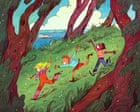
Feral Children: Understanding the Concept
Feral children represent a growing movement that challenges conventional parenting norms in contemporary society. The concept of feral children emphasizes allowing youngsters to explore their surroundings independently, develop resilience, and engage with nature without constant adult supervision. This approach stands in stark contrast to helicopter parenting and overprotective guardianship that dominates many modern households.
Adults frequently voice frustration, claiming that children should occupy greater space within society. Paradoxically, when feral children exercise this freedom and claim their rightful place in the community, they encounter resistance and demands for conformity. This contradiction reveals a fundamental tension in how contemporary culture views childhood autonomy and youthful expression.
Island Life and the Transition to Adolescence
On the Maine island where this narrative unfolds, childhood experiences take on unique dimensions shaped by geography and community structure. Peaks Island, a small maritime community situated approximately three miles off the Portland coast, accessible exclusively by boat, exemplifies how geographic isolation can redefine childhood development. The island maintains an elementary school serving younger students, creating a distinctive educational environment.
This geographic reality creates a natural rite of passage for island residents. Children attend the local elementary school during their formative years, experiencing childhood within a tight-knit island community. However, once students reach sixth grade, a significant transition occurs. The absence of middle and high schools on the island necessitates daily commuting via the 7.15am ferry to mainland schools in Portland.
The Ferry Commute: A Defining Transition
The ferry departure at 7.15am marks the moment when childhood effectively concludes for island youth. This daily ritual represents far more than simple transportation; it symbolizes the threshold between youthful island life and adolescent engagement with broader society. Young students must awaken early, navigate to the ferry terminal, and embark on a journey across open water to access secondary education.
This commuting experience cultivates independence and resilience in ways that mainland peers rarely encounter. Island children learn to navigate transitions between distinct environments, manage their time independently, and develop self-reliance at earlier ages. The ferry journey becomes both a practical necessity and a formative experience that shapes character development during crucial adolescent years.
Supporting Feral Children in Modern Society
The philosophy of feral children encourages communities to trust young people with greater autonomy and freedom. Rather than restricting children to supervised environments, this approach recognizes that exploration, occasional risks, and independent decision-making contribute to healthy development. Feral children develop problem-solving skills, spatial awareness, and emotional resilience through hands-on engagement with their environment.
Parents and educators advocating for this approach argue that overprotection inhibits crucial developmental processes. When adults constantly intervene, children never develop the confidence to navigate challenges independently. Feral children learn to assess situations, make decisions, and recover from minor setbacks without immediate parental rescue.
The Paradox of Adult Expectations
Society presents contradictory messages regarding children's place in the community. Adults emphasize that young people should participate more actively in public spaces and contribute meaningfully to society. Yet, simultaneously, when children exercise this freedom by playing outdoors, making noise, and occupying public areas, adults criticize and discourage such behavior.
This paradox undermines child development and creates confusion about appropriate autonomy levels. Feral children thrive when communities embrace their presence, support their exploration, and resist the urge to suppress youthful energy. The ferry commuters of Peaks Island exemplify how geographic and social factors can naturally foster independence and maturity without heavy-handed intervention.
Conclusion: Embracing Childhood Freedom
Feral children represent an important counterbalance to contemporary parenting trends that prioritize constant supervision and control. Geographic communities like Peaks Island demonstrate how natural life circumstances can cultivate independence, resilience, and maturity in young people. By trusting feral children with appropriate freedoms and respecting their need to explore and occupy space within society, communities support healthier development and prepare young people for confident, capable adulthood.