
Trump Issues Stern Warning to Iran Over Hezbollah in Lebanon
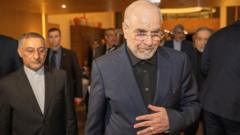
Trump Delivers Bold Warning Amid Diplomatic Tensions
The Trump administration has escalated rhetoric in ongoing Trump Iran negotiations, with the US president issuing a direct military ultimatum to Iranian leadership. While remaining absent from the formal negotiation sessions taking place in Switzerland, Trump leveraged diplomatic pressure by threatening military intervention unless Iran demonstrates concrete commitment to restraining Hezbollah's operations in Lebanon.
This latest development in Trump Iran negotiations marks a significant hardening of the American position, signaling that Washington views Iranian proxy activities as a critical red line. The warning was communicated through official channels while discussions continued at the Swiss venue, creating a tense backdrop for ongoing talks between American and Iranian representatives.
The Hezbollah Lebanon Factor
The situation regarding Hezbollah Lebanon remains central to current diplomatic disputes. Iranian-backed Hezbollah has conducted numerous military operations from Lebanese territory, prompting regional instability and threatening American interests in the Middle East. The Trump administration has made clear that continued support for the militant group by Tehran would result in severe consequences.
Military analysts note that Hezbollah Lebanon operates with significant Iranian financial and military backing, making Tehran's cooperation essential for any meaningful de-escalation. The organization has been designated as a terrorist entity by the United States and several allied nations, complicating the diplomatic landscape considerably.
Strategic Military Posturing
Trump's threat represents more than rhetorical posturing. The US military presence in the Middle East remains substantial, with naval assets, air force bases, and strategic positioning allowing rapid deployment capability. Previous administrations have demonstrated willingness to conduct surgical strikes against Iranian targets, establishing a precedent that lends credibility to current warnings.
Iranian negotiators, however, face complex domestic political constraints. Hardline factions within Iran's government view concessions on Hezbollah Lebanon as potential weakness, creating internal pressure that complicates constructive dialogue. The balancing act between diplomatic necessity and domestic political survival presents significant obstacles to resolution.
Switzerland Negotiations Framework
The choice of Switzerland as a neutral negotiating ground reflects diplomatic tradition and practical necessity. Swiss intermediaries have historically facilitated sensitive talks between adversarial nations, providing secure environments for candid discussions. However, the presence of Trump Iran negotiations occurring simultaneously with the president's harsh public statements creates contradictory messaging.
Diplomatic observers suggest that the public warning may serve strategic purposes beyond the immediate negotiating table. Such statements can signal resolve to allies, manage domestic political expectations, and potentially create psychological pressure on Iranian decision-makers. The unconventional approach reflects the Trump administration's broader diplomatic philosophy.
Regional Security Implications
The crisis extends beyond bilateral US-Iran relations. Hezbollah Lebanon activities directly impact Israeli security concerns, affecting broader Middle Eastern stability. Regional partners including Saudi Arabia and Gulf states view Iranian proxy networks with significant alarm, making this issue crucial for overall regional architecture.
The threat of military action raises potential escalation risks. Any direct US strike against Iran could trigger retaliatory measures, potentially including Hezbollah attacks across the Lebanese-Israeli border. This dynamic creates mutual deterrence but also substantial risks of miscalculation or unintended escalation.
International Diplomatic Response
European nations participating in previous nuclear agreements with Iran have expressed concern about the hardened rhetoric. Diplomatic channels remain open, but the temperature of negotiations has risen considerably. Russian and Chinese observers monitor developments carefully, as outcomes could reshape Middle Eastern geopolitics significantly.
The international community recognizes that sustainable solutions require more than military threats. Long-term stability depends on addressing underlying grievances, establishing security guarantees, and creating incentive structures favoring Iranian restraint over regional adventurism. Whether current negotiations can achieve such comprehensive approaches remains uncertain.
Path Forward and Uncertainty
Negotiations continue despite the elevated tensions surrounding Trump Iran negotiations and Hezbollah Lebanon activities. Technical discussions proceed on various fronts, though fundamental disagreements persist on key issues. The coming weeks will prove critical in determining whether dialogue channels can overcome current obstacles or if military confrontation becomes increasingly likely.


