
Colombia's Presidential Election Shaped by Escalating Gang Violence Crisis
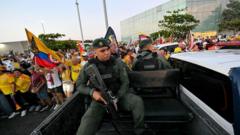
Colombia's Internal Crisis Defines Critical Election Season
Gang violence in Colombia has emerged as the dominant issue shaping the nation's presidential election, with candidates presenting sharply contrasting visions for addressing the country's ongoing security challenges. The escalating internal conflict between government forces, organized crime networks, and paramilitary groups has created an urgent backdrop for voters contemplating their nation's future direction.
The Left-Wing Senator's Negotiation Strategy
One leading candidate represents a significant portion of Colombia's electorate seeking alternative approaches to conventional security measures. This progressive senator has consistently advocated for dialogue and negotiation frameworks with various armed organizations operating throughout the country. His platform emphasizes reducing violence through structured conversations aimed at understanding root causes and developing sustainable peace agreements.
The senator's approach draws from Colombia's historical attempts at conflict resolution, referencing previous peace initiatives and negotiations that have shaped the nation's political landscape. Supporters of this candidate argue that military-exclusive strategies have proven insufficient in addressing the complex socioeconomic factors driving gang recruitment and territorial violence. His team contends that engagement and reformed rehabilitation programs offer more promising long-term solutions than enforcement-focused policies.
The Outsider Candidate's Hard-Line Position
Standing in contrast is a political outsider candidate who has garnered significant international support, including endorsement from prominent foreign political figures. This candidate advocates for aggressive law enforcement strategies, strengthened military operations, and enhanced security apparatus control. The outsider's platform emphasizes decisive action against organized crime, prioritizing visible enforcement results and reduced criminal operational capacity.
The Trump-backed candidate's messaging resonates with voters prioritizing immediate security improvements and rapid crime reduction statistics. Campaign rhetoric focuses on restoring state control in territories dominated by criminal organizations and implementing strict penalties for gang-related activities. This approach appeals to citizens experiencing direct impacts from escalating violence and territorial disputes.
Voter Concerns and Electoral Stakes
Colombian citizens face a fundamental choice between negotiation-based governance and enforcement-centered security policy. Communities suffering from gang violence, kidnappings, and territorial conflicts view this election as determining their immediate safety prospects. The two contrasting philosophies represent competing visions of how Colombia can overcome decades of internal armed conflict.
Gang violence has intensified in recent years, with criminal organizations expanding territorial control and engaging in increasingly brutal tactics. Urban centers and rural regions alike experience daily consequences of this escalating conflict. Citizens from diverse socioeconomic backgrounds recognize that election outcomes will directly influence government responses to criminal activity in their communities.
International Dimensions and Political Implications
The presidential election reflects broader regional debates about security strategy and governance approaches. International observers note that foreign endorsements, including from the United States political sphere, add complexity to Colombia's independent decision-making processes. The outsider candidate's Trump endorsement has amplified discussions regarding international influence in Colombian domestic politics.
Colombian voters must weigh perspectives from both candidates while considering international perspectives and long-term national interests. The election represents a defining moment for determining whether the nation pursues reconciliation-oriented policies or intensified security enforcement measures. This fundamental choice will shape Colombia's institutional direction, resource allocation, and international relationships for years following the electoral outcome.
Looking Forward: Colombia at a Crossroads
The upcoming presidential election crystallizes Colombia's struggle with gang violence and armed conflict resolution. Voters will determine whether their government prioritizes negotiation frameworks with armed organizations or strengthens military and law enforcement capabilities. Either pathway carries significant implications for national security, economic development, and social stability across Colombian territories.


