
T. rex Fossil Could Break Records as Most Expensive Ever Discovered
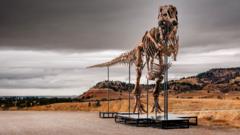
T. rex Fossil Set to Become Most Expensive Dinosaur Ever Sold
A remarkably preserved Tyrannosaurus rex fossil spanning 67 million years will soon be offered at auction in New York, with preliminary valuations reaching approximately $30 million. This Tyrannosaurus rex fossil sale represents a significant milestone in the commercial paleontology market, potentially surpassing all previous records for dinosaur specimen sales.
The Specimen's Historical Significance
The fossil represents an exceptional discovery, showcasing rare preservation characteristics that have made it the subject of intense interest within both academic and collector circles. Scientists have lauded the specimen's completeness and the quality of its fossilization, which provides invaluable insights into the anatomy and biology of one of Earth's most iconic predators.
Market Implications for Paleontology
While the astronomical price tag demonstrates the substantial commercial demand for dinosaur fossils, the sale has generated considerable apprehension among the scientific community. Paleontologists have expressed serious concerns about how such high-value Tyrannosaurus rex fossil transactions could fundamentally alter the landscape of paleontological research and discovery.
Scientific Community's Concerns
The prospect of this Tyrannosaurus rex becoming the most expensive fossil ever has prompted researchers to raise important questions about specimen accessibility. When significant fossil discoveries enter private collections, they often become unavailable for peer-reviewed research, limiting scientific advancement and public education opportunities. Scholars worry that commercial interests may increasingly drive fossil acquisition decisions, potentially removing crucial specimens from museums and research institutions where they could benefit broader scientific understanding.
Impact on Future Discoveries
The escalating market value of premium dinosaur fossils could incentivize unauthorized excavations and damage to archaeological sites. Commercial collectors seeking valuable specimens might prioritize profit over proper scientific documentation and excavation techniques, potentially destroying irreplaceable contextual information that would otherwise enhance paleontological knowledge. This pattern threatens the integrity of fossil records and the methodological standards upon which modern paleontology depends.
New York Auction Details
The auction scheduled in New York represents a pivotal moment for fossil commerce. The $30 million valuation reflects the extraordinary rarity and quality of this particular Tyrannosaurus rex specimen, positioning it among the most valuable paleontological items ever to reach public sale. Industry observers expect intense bidding from wealthy collectors and institutions worldwide.
Balancing Commerce and Science
This situation underscores the ongoing tension between commercial fossil markets and scientific preservation needs. While private collectors have historically contributed to paleontological knowledge, the increasing commercialization of fossil sales raises legitimate concerns about whether scientific interests can effectively compete with investment-oriented bidders. Museums and research institutions often lack the financial resources to acquire specimens at such elevated price points.
Looking Forward
The outcome of this Tyrannosaurus rex fossil auction will likely influence future paleontological policy discussions and potentially shape regulations governing fossil collection and trade. Scientists continue advocating for frameworks that balance legitimate collecting interests with the imperative to preserve irreplaceable specimens for research purposes. The resolution of these competing interests will significantly impact how paleontology evolves as a discipline in the coming decades.


