
Typhoon Bavi Threatens East Asia as Deaths Mount in Philippines
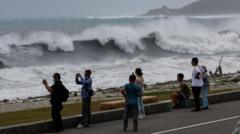
Typhoon Bavi Bears Down on East Asia
A massive weather system identified as Typhoon Bavi is rapidly advancing toward East Asia, with meteorological agencies issuing urgent warnings across the region. The typhoon, spanning an expansive 1,000 kilometers in width, is expected to bring severe weather conditions to Taiwan and southeastern China in the coming days. Authorities in multiple countries are implementing emergency protocols as Typhoon Bavi approaches, recognizing the significant threat it poses to millions of residents across the affected territories.
Devastating Landslide Impact in the Philippines
The Philippines has already experienced severe consequences from weather-related incidents, with landslides claiming at least 15 lives in recent days. Heavy rainfall and unstable terrain conditions have created hazardous situations across multiple provinces, triggering ground movements that have devastated local communities. Rescue teams continue search and recovery operations in affected areas, working against challenging conditions to locate missing persons and provide immediate assistance to survivors.
Unprecedented Storm Strength Forecasted
Meteorological experts have classified Typhoon Bavi as potentially one of the strongest tropical cyclones to impact the region in recent decades. The system demonstrates characteristics typical of major typhoons, including intense wind speeds, substantial precipitation potential, and the capacity to generate significant storm surge along coastal areas. Scientific monitoring indicates that the typhoon maintains considerable power as it moves westward, with forecasters urging residents to prepare for extreme weather conditions.
Taiwan Prepares for Major Impact
Taiwan's government has initiated comprehensive disaster preparedness measures in anticipation of Typhoon Bavi's arrival. Meteorological bureaus are providing continuous updates regarding the storm's trajectory, intensity, and expected timeline. Residents have been advised to secure outdoor items, stock essential supplies, and prepare evacuation plans if necessary. The island nation's experience with tropical cyclones has resulted in well-established warning systems and emergency response protocols designed to minimize casualties and property damage.
Southeastern China on High Alert
Chinese authorities in southeastern provinces are implementing pre-typhoon safety measures, including the closure of ports and suspension of maritime activities. Regional governments have coordinated with emergency services to ensure rapid response capabilities. Weather stations across the region are monitoring Typhoon Bavi's development continuously, providing real-time data to support decision-making by local administrators and emergency management teams.
Regional Emergency Response Coordination
International cooperation among East Asian nations has strengthened in response to Typhoon Bavi's approach. Meteorological agencies are sharing real-time information and forecasting models to enhance predictive accuracy. Emergency management officials from affected countries maintain communication channels to coordinate evacuation procedures, resource allocation, and humanitarian assistance strategies. This collaborative approach reflects the region's commitment to mitigating disaster impacts and protecting vulnerable populations.
Historical Context and Storm Classification
The classification of Typhoon Bavi as potentially one of the strongest storms in decades places it among significant historical weather events. Such powerful tropical cyclones occur with relative infrequency, making preparedness and accurate forecasting particularly crucial. The scale and potential impact of this system underscore the importance of robust early warning systems and community preparedness initiatives throughout East Asia.
Looking Ahead: Recovery and Assessment
Following Typhoon Bavi's passage, affected regions will undertake comprehensive damage assessments and initiate recovery operations. Preliminary reports from the Philippines demonstrate the severity of weather-related hazards, while preparations in Taiwan and China aim to prevent similar casualties. International organizations may provide technical assistance and resources to support rebuilding efforts in the most severely impacted areas.


