MPs Push for Fast Food Ban Near Schools to Fight UK Obesity
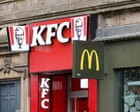
Fast Food Ban Near Schools: MPs' Latest Obesity Strategy
Legislators are intensifying efforts to combat the obesity epidemic through a fast food ban near schools, according to recent recommendations from the Commons health committee. The initiative represents a comprehensive approach to tackling dietary habits that contribute to significant health challenges across the United Kingdom.
The parliamentary committee plans to present multiple evidence-based proposals aimed at reducing access to unhealthy food options in areas frequented by children. Beyond implementing a fast food ban near schools, the recommendations address broader advertising practices that promote nutritionally poor products to vulnerable populations.
Comprehensive Advertising and Retail Restrictions
MPs are calling for an end to junk food advertising on billboards and public transport infrastructure. This dual-pronged approach acknowledges that environmental factors significantly influence food choices, particularly among younger demographics. The committee argues that reducing exposure to marketing for high-calorie, low-nutrition products represents a critical intervention point.
Supermarkets will face mandates to position fresh fruits and vegetables more prominently throughout their stores. Strategic placement near entrances and checkout areas is expected to increase consumer visibility and purchasing of healthier options. This retail restructuring aims to shift purchasing patterns without restricting consumer choice.
The Financial and Health Impact of Obesity
The urgency behind these proposals stems from staggering economic data. Obesity currently costs the United Kingdom £74 billion annually through healthcare expenses, lost productivity, and related social impacts. Beyond financial considerations, the condition precipitates numerous serious illnesses including cardiovascular disease, type 2 diabetes, and certain cancers.
The committee emphasizes that this fiscal burden represents only one dimension of the crisis. The human cost in terms of premature mortality, chronic disease burden, and reduced quality of life justifies immediate regulatory intervention.
Nutrition Labeling and Food Industry Accountability
Front-of-pack labeling using traffic light-style indicators will become mandatory across all food products. This system visually communicates nutritional value through color-coding: green indicates healthier choices, amber suggests moderation, and red flags products high in salt, sugar, or saturated fats. Several supermarket chains have voluntarily adopted this system, demonstrating its feasibility.
Additionally, the government should progress previously announced plans requiring food producers to disclose what percentage of their sales derive from healthy versus unhealthy products. This transparency measure encourages corporate accountability and allows consumers to understand company nutritional profiles.
Confronting Industry Opposition
The committee directly challenges ministerial reluctance to implement tough regulatory measures. Food industry lobbying frequently delays or weakens proposed regulations, exploiting political hesitation around intervention in commercial markets. MPs are urging the government to demonstrate "more courage" in resisting these pressures.
Government officials must "stand up to challenge from industry" which routinely seeks to postpone measures limiting unhealthy diets. This call reflects frustration with the slow pace of regulatory change despite overwhelming evidence supporting stricter controls.
Multi-Sector Approach to Diet Regulation
The recommendations represent a coordinated strategy involving retail, advertising, production, and local planning regulation. Rather than relying on individual consumer responsibility alone, this framework modifies the food environment itself, making healthier choices more accessible and convenient.
By restricting fast food ban near schools openings, controlling advertising exposure, standardizing nutritional labeling, and requiring industry transparency, the committee envisions comprehensive systemic change. These interconnected measures address obesity through environmental restructuring rather than personal blame.
Implementation Challenges and Timeline
Translating these parliamentary recommendations into law faces procedural and political hurdles. Food industry interests will likely mount sustained opposition, particularly regarding location restrictions and advertising limitations. The government must prioritize public health outcomes over commercial convenience.
The committee's final statements emphasize that delaying action perpetuates a crisis with profound consequences. Each year without regulatory intervention allows obesity-related illness and mortality to accumulate, increasing future healthcare burdens and societal costs.