Michigan Identifies Lettuce as Potential Cyclospora Outbreak Source
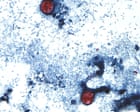
Michigan Officials Pinpoint Food Source in Cyclospora Outbreak Investigation
State health authorities in Michigan have announced a significant breakthrough in their investigation into a widespread cyclospora outbreak, identifying lettuce and salad greens as the likely culprit behind thousands of infection cases. The cyclospora outbreak has prompted urgent action from the Michigan Department of Health and Human Services, which released preliminary findings suggesting contaminated produce as the primary vector for disease transmission.
The parasitic infection, known scientifically as cyclosporiasis, manifests through debilitating gastrointestinal symptoms that have affected residents across the state. Health officials emphasized that while early evidence strongly suggests lettuce and salad greens connection to the cyclospora outbreak, comprehensive testing continues to rule out additional contamination sources within the food supply chain.
Understanding Cyclosporiasis and Its Symptoms
Cyclosporiasis represents a parasitic illness transmitted through contaminated food and water sources. The infection triggers a cascade of uncomfortable digestive complications that impact patients' quality of life and nutritional status. Individuals diagnosed with this condition typically experience persistent watery diarrhea, characterized by frequent and uncontrollable bowel movements that can lead to severe dehydration.
Beyond gastrointestinal distress, cyclosporiasis patients report significant loss of appetite, making adequate nutrition difficult during recovery periods. Weight loss commonly accompanies these symptoms, sometimes proving substantial when the infection remains untreated. The combination of these effects can create serious health complications, particularly for vulnerable populations including children, elderly individuals, and immunocompromised persons.
Investigation Details and Current Status
The Michigan Department of Health and Human Services has mobilized resources to conduct thorough epidemiological investigations into the cyclospora outbreak spreading across the state. Officials stated that their inquiry represents an ongoing process with multiple investigative threads still under examination. The preliminary assessment points definitively toward lettuce or salad greens as the probable contamination source, yet researchers maintain scientific caution about premature conclusions.
Health authorities acknowledge that additional food products may contribute to the cyclospora outbreak transmission, particularly if storage, preparation, or distribution practices facilitated cross-contamination. The investigation includes detailed interviews with affected individuals, tracing consumption patterns and identifying common food sources. Laboratory analysis of suspected products continues simultaneously, providing scientific verification of preliminary field findings.
Implications for Michigan Residents and Food Safety
The identification of lettuce and salad greens as a potential cyclospora outbreak source carries immediate implications for consumer behavior and food industry practices. Michigan residents are advised to exercise heightened caution regarding fresh produce consumption, particularly from implicated suppliers or distributors. Health officials recommend thorough washing of all vegetables and greens, though they acknowledge that some parasitic contamination may resist standard cleaning procedures.
Food service establishments, restaurants, and institutional cafeterias have received guidance regarding produce sourcing and preparation protocols. Suppliers and distributors are cooperating with investigative authorities to trace contaminated products back to cultivation or processing facilities. The cyclospora outbreak has prompted retailers to review their supply chains, identifying and removing potentially hazardous items from store shelves.
Public Health Response and Prevention Measures
Michigan health officials encourage any individual experiencing symptoms consistent with cyclosporiasis to seek medical evaluation immediately. Healthcare providers can confirm parasitic infection through laboratory testing and initiate appropriate antimicrobial treatment protocols. Early intervention reduces symptom severity and prevents potential complications arising from prolonged infection.
The state has issued public advisories detailing cyclosporiasis symptoms and recommending precautionary produce handling measures. Public health campaigns emphasize the importance of reporting illnesses to local health departments, contributing essential epidemiological data to ongoing outbreak investigations. Community awareness represents a critical component of containing the cyclospora outbreak and preventing additional transmission cases.
Looking Forward: Continued Investigation and Resolution
Michigan Department of Health and Human Services officials commit to maintaining transparent communication as the cyclospora outbreak investigation progresses. Final determination of contamination sources, identification of responsible parties, and implementation of corrective measures remain priorities. The state works collaboratively with federal agencies including the CDC to ensure comprehensive response to this parasitic disease outbreak.
Consumers should remain alert for additional guidance as the investigation concludes. Health officials will provide updated recommendations based on conclusive findings regarding the cyclospora outbreak. The identification of lettuce and salad greens as potential sources represents significant progress toward resolving the outbreak and preventing future similar incidents through enhanced food safety protocols and oversight mechanisms.