
Geothermal Energy: The Abundant Underground Resource Reshaping Power Generation
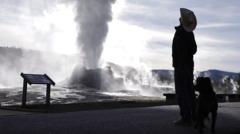
Geothermal Energy: Unlocking Earth's Thermal Potential
Geothermal energy represents one of the most promising yet underutilized renewable resources available today. Located beneath our feet lies an enormous reservoir of heat that could fundamentally transform how societies generate electricity and manage heating needs. While geothermal energy has been harnessed for decades in select regions, a new wave of innovative startups is now developing groundbreaking technologies to make this abundant underground resource more accessible and economically viable worldwide.
The Rising Interest in Geothermal Energy Solutions
The global energy landscape is undergoing a significant transformation as concerns about climate change intensify and demand for clean power grows exponentially. Geothermal energy offers a compelling alternative to fossil fuels, providing consistent baseload power regardless of weather conditions—a major advantage over solar and wind technologies. Unlike traditional renewable sources, geothermal systems operate continuously, delivering reliable electricity generation around the clock.
Recent advances in drilling technology and reservoir management have opened new possibilities for geothermal development. Forward-thinking companies are exploring enhanced geothermal systems (EGS), which artificially create fractures in hot rock formations to improve heat extraction efficiency. This breakthrough approach could expand geothermal applications far beyond traditional volcanic regions.
Economic Challenges and Financial Realities
High Initial Investment Requirements
The primary barrier to widespread geothermal energy adoption remains the substantial upfront capital needed for development. Deep drilling operations require specialized equipment, expert personnel, and extensive geological surveys before construction begins. These preliminary costs can reach tens of millions of dollars before any energy production occurs, creating significant financial risk for investors and developers.
Long-Term Economic Viability
Despite high initial expenses, geothermal energy installations demonstrate exceptional economic performance over their operational lifetime. Operating costs remain remarkably low once facilities become functional, as fuel costs essentially disappear and maintenance requirements are minimal compared to conventional power plants. This characteristic positions geothermal energy as an economically attractive long-term investment for regions with suitable geological conditions.
Technological Innovation Driving Growth
Startups entering the geothermal sector are implementing cutting-edge engineering solutions to reduce drilling costs and improve efficiency. Advanced directional drilling techniques allow companies to access heat resources from multiple angles, maximizing energy extraction from single locations. Digital monitoring systems provide real-time data on reservoir performance, enabling operators to optimize output continuously.
Several promising ventures are developing modular geothermal systems designed for smaller-scale applications. These innovations could bring geothermal heating and power generation to communities previously considered uneconomical for traditional geothermal development. By scaling down technology and streamlining deployment processes, these companies aim to democratize access to this renewable resource.
Geographic and Geological Factors
Geothermal energy availability varies dramatically by location, with countries positioned along tectonic plate boundaries enjoying exceptional advantages. Iceland, New Zealand, Indonesia, and parts of the United States benefit from shallow heat sources requiring less intensive drilling. However, emerging technologies may soon enable viable geothermal operations in regions without obvious geothermal features, fundamentally expanding the geographic scope of this energy source.
Government Support and Policy Framework
Regulatory incentives and government backing play crucial roles in determining geothermal energy's market success. Tax credits, research funding, and favorable permitting processes encourage investment and accelerate technology development. Several nations have established ambitious targets for geothermal power generation as part of their renewable energy strategies.
Future Outlook for Geothermal Energy Markets
Industry analysts project substantial growth in geothermal energy capacity over the coming decades as technological improvements reduce costs and expand geographic applicability. The combination of environmental necessity and economic opportunity makes geothermal energy increasingly attractive to investors and policymakers alike. Whether startup innovations can successfully navigate economic challenges while delivering scalable solutions remains the defining question for this emerging sector.
The abundance of geothermal energy beneath the Earth's surface represents an exceptional opportunity to transition toward sustainable power systems. As innovative companies continue refining extraction technologies and optimizing operational models, the economics of geothermal energy will likely improve substantially, potentially positioning this renewable source as a cornerstone of global energy infrastructure.


