
Electric Power: The Future of Cleaner Aviation Fuel
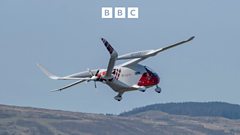
Electric Power: Revolutionizing the Aviation Industry
The aviation sector stands at a critical juncture as the world seeks sustainable solutions to reduce environmental impact. Electric power represents one of several cleaner alternatives to traditional aviation fuel, offering a promising pathway toward a more sustainable future for air transportation. This revolutionary approach is reshaping how the industry thinks about energy consumption and emissions reduction.
Understanding Electric Power in Aviation
Electric power aviation fuel alternatives have gained significant traction among manufacturers, airlines, and environmental advocates. Unlike conventional jet fuel, which relies on fossil fuels and contributes substantially to carbon emissions, electric-powered systems operate with minimal environmental footprint. The transition from traditional combustion engines to electric propulsion marks a fundamental shift in aviation technology.
The Advantages of Clean Aviation Fuel Solutions
Several compelling benefits drive the adoption of electric power and cleaner alternatives in aviation. First, these technologies dramatically reduce greenhouse gas emissions, addressing one of the aviation industry's most pressing environmental challenges. Electric aircraft produce zero direct emissions during flight, making them particularly attractive for short to medium-haul routes.
Second, electric power systems offer operational advantages. They require less maintenance than traditional engines, reducing downtime and operational costs for airlines. The mechanical simplicity of electric motors compared to complex internal combustion engines translates into lower repair expenses and improved reliability over extended periods.
Third, as electricity grids become increasingly powered by renewable sources, the environmental benefits of electric aircraft multiply exponentially. This creates a positive feedback loop where cleaner energy infrastructure directly improves the sustainability profile of electric aviation.
Current Developments in Electric Aircraft Technology
The electric aircraft development sector has witnessed remarkable progress in recent years. Major aerospace companies and startups are investing heavily in battery technology, lightweight materials, and innovative designs specifically engineered for electric propulsion. Regional airlines are particularly interested in electric power solutions for their short-distance routes, where battery capacity limitations are less problematic.
Several prototype electric aircraft have already demonstrated promising performance metrics. These vehicles showcase the feasibility of transitioning commercial aviation toward electric power systems, though challenges remain regarding battery energy density and passenger capacity for larger aircraft.
Alternative Fuel Options Beyond Electric Power
While electric power represents one promising avenue, other cleaner alternatives to traditional aviation fuel continue to develop in parallel. Sustainable aviation fuel (SAF) derived from renewable sources offers another pathway for emissions reduction. Hydrogen-based propulsion systems are also under investigation, with some manufacturers exploring hybrid-electric configurations that combine multiple technologies.
These diverse approaches ensure that the aviation industry has multiple tools to achieve sustainability goals. Each technology presents distinct advantages for different aircraft types, routes, and operational scenarios.
Green Aviation Solutions and Environmental Impact
The broader context of green aviation solutions extends beyond individual technologies to encompass systematic change. Airport infrastructure improvements, air traffic management optimization, and fleet modernization collectively contribute to reducing aviation's environmental footprint. Electric power and clean aviation fuel alternatives play crucial roles within this comprehensive sustainability framework.
Environmental organizations acknowledge that transitioning to cleaner alternatives is essential for meeting climate commitments. The International Civil Aviation Organization has set ambitious targets for aviation emissions reductions, and electric power technology directly supports these objectives.
Challenges and Future Outlook
Despite promising developments, significant obstacles remain. Battery technology must advance substantially to support larger aircraft and longer routes. Infrastructure investments for charging systems at airports require substantial capital and coordination. Regulatory frameworks need updating to accommodate new propulsion technologies safely and effectively.
Nevertheless, momentum continues building within the industry. Investment capital flows toward electric aircraft development, and major manufacturers have announced ambitious timelines for bringing electric-powered commercial aircraft to market. This convergence of technological innovation, regulatory support, and market demand suggests that electric power and cleaner alternatives will play increasingly important roles in aviation's future.
The transition toward electric power aviation fuel and other sustainable alternatives represents more than environmental necessity—it embodies economic opportunity and technological progress. As these technologies mature and scale, the aviation industry will become cleaner, more efficient, and better positioned for long-term sustainability.


