Farage Absent from Budget Over Seating Row With MPs
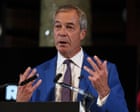
Farage Budget Absence: Seating Dispute Triggers Parliamentary Withdrawal
Nigel Farage, the prominent leader of Reform UK, made the unprecedented decision to absent himself from the Chancellor's inaugural budget presentation in Parliament. The Farage budget absence stemmed from escalating tensions regarding seating arrangements within the House of Commons chamber, with the controversial politician expressing serious apprehension about potential physical confrontation with fellow MPs.
The Reform UK leader's decision to boycott the parliamentary proceedings represented a significant moment in recent British political discourse. Rather than engaging directly in Commons debate, Farage chose to conduct a separate press briefing following the budget announcement, wherein he outlined his party's criticisms and policy positions without participating in the formal legislative process.
Controversy Over Parliamentary Seating Arrangements
The immediate catalyst for Farage's withdrawal centered on unresolved disagreements regarding where he would be positioned during the budget session. The seating dispute escalated to such a degree that the Reform UK leader became genuinely concerned about the likelihood of confrontational exchanges with other parliamentary members. This tension highlighted ongoing friction between Farage's party and established Westminster procedures.
Sources close to the situation indicated that the altercation concerns were not merely speculative. The atmosphere surrounding the Farage budget participation had become sufficiently fraught that parliamentary officials appeared unable to resolve the seating conflict prior to the session's commencement. This breakdown in arrangements effectively left Farage with the decision to remain absent rather than risk disruptive conduct within the chamber.
Farage's Criticism of Ukraine Funding
During his subsequent press conference, Nigel Farage expressed considerable shock regarding the government's budgetary allocation of £10 billion designated for Ukraine assistance. The Reform UK leader characterized this expenditure as excessive, particularly given domestic economic pressures within the United Kingdom. His statement reflected the broader skepticism that Reform UK has demonstrated toward international aid commitments.
Farage's objections to the Ukraine funding represented consistent positioning within his party's platform. Reform UK has repeatedly questioned the scale of British financial commitments to Ukraine, advocating instead for prioritizing domestic economic concerns and reducing government spending in foreign policy areas. The budget announcement provided Farage with a prominent opportunity to reiterate this foundational party philosophy.
Reform UK's Cryptocurrency Tax Position
Beyond his Ukraine funding criticism, Farage utilized the press briefing to reinforce Reform UK's distinctive policy stance on cryptocurrency taxation. The party continues to advocate for reducing tax burdens on crypto investors, positioning this as a pro-growth economic strategy. Farage doubled down on these commitments, suggesting that the government's budget failed to adequately address what Reform UK considers essential tax relief for the digital asset sector.
The cryptocurrency tax proposal represents one of Reform UK's differentiating policy positions within the broader political landscape. By consistently promoting reduced taxation for crypto market participants, Farage and his party attempt to appeal to younger voters and technology-oriented constituencies. This approach contrasts with mainstream party positions and reflects Reform UK's positioning as an alternative political force.
Parliamentary Tensions and Political Implications
The incident surrounding Farage's budget absence underscores persistent tensions within Westminster between Reform UK and the established parliamentary community. The seating dispute, while apparently procedural in nature, reflects deeper disagreements about Reform UK's legitimacy and integration within traditional Commons protocols. These frictions extend beyond mere logistical concerns to encompass broader questions about minority party representation and parliamentary acceptance.
Farage's willingness to withdraw rather than navigate the potential confrontation demonstrates his prioritization of avoiding parliamentary disruption over direct engagement. This calculation reflects both the volatile political climate surrounding Reform UK and the recognized unpredictability of Commons interactions when partisan tensions run high. The Farage budget absence thus carries symbolic weight beyond the immediate budget debate itself.
Broader Context of Government Budget Priorities
The Chancellor's budget presentation contained numerous policy announcements and fiscal allocations addressing the government's legislative agenda. Beyond the Ukraine funding commitment that drew Farage's particular ire, the budget addressed broader economic management objectives. The government's budgetary framework attempted to balance multiple competing priorities including domestic investment, international commitments, and fiscal sustainability.
Reform UK's response, articulated through Farage's press conference statement, represented one component of the broader parliamentary reaction to the budget announcement. While other opposition parties engaged directly within Commons debate, Reform UK's distinctive approach through external commentary highlighted the party's positioning as an outsider force within traditional Westminster proceedings and parliamentary customs.