Budget 2026: Healey Raises Bank and Landlord Taxes for £100 Household Support
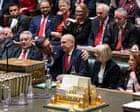
Budget 2026: Healey's Tax Strategy Unveiled
Chancellor John Healey has delivered his inaugural budget with a fiscal package targeting financial institutions and property investors to finance direct support for millions of British households. The Budget 2026 Healey taxes strategy marks a significant shift in how the government addresses the persistent cost of living challenges facing the nation.
In announcing his first budget since taking office, Healey implemented tax increases on both banking sector profits and landlord rental incomes. These revenue-raising measures form the cornerstone of a broader economic strategy designed to alleviate pressure on household finances during the winter months ahead.
£100 Winter Handout Programme Details
The centerpiece of the chancellor's fiscal announcement involves a £100 direct payment scheme reaching approximately 20 million households across the United Kingdom. This winter support initiative represents one of the most expansive household assistance programs announced in recent years, targeting families most vulnerable to energy price fluctuations and inflation-driven expenditure increases.
Eligibility for the £100 winter payment extends across multiple demographic groups, ensuring broad coverage of the British population facing financial hardship. The government has structured the distribution mechanism to deliver funds efficiently during the critical winter period when household energy costs typically peak.
Global Economic Pressures and Geopolitical Factors
During his budget speech, Chancellor Healey attributed the continued economic difficulties to what he described as "global economic storms" affecting international markets. The chancellor specifically referenced ongoing geopolitical tensions, particularly the conflict in Iran, as a primary driver of elevated oil and gas prices in international markets.
These external economic factors have created sustained inflationary pressures that officials forecast will persist throughout the foreseeable future. The government's economic projections indicate no immediate resolution to the cost of living crisis, necessitating continued intervention through targeted fiscal policies and direct financial support mechanisms.
Tax Increases on Banks and Landlords Explained
The tax increases announced under Budget 2026 Healey taxes framework specifically target two economically significant sectors. Banking institutions face enhanced profit taxation, designed to extract additional revenue from the financial services industry. Concurrently, landlords operating in the private rental sector will encounter increased tax obligations on rental income streams.
These revenue-raising measures reflect policy priorities aimed at redistributing resources toward household support initiatives. By increasing fiscal contributions from corporate entities and property owners, the government has financed the £100 winter handout program without placing additional burden on ordinary wage-earning families.
Official Economic Forecasts and Outlook
The Office for National Statistics and Treasury forecasting teams have released updated economic projections accompanying the budget announcement. These official forecasts paint a sobering picture regarding the cost of living crisis trajectory, indicating that inflationary pressures and elevated energy costs will continue throughout 2026 and beyond.
The persistence of economic challenges has prompted policymakers to maintain expansionary fiscal interventions despite broader economic constraints. Treasury officials acknowledge that without substantial geopolitical de-escalation or international energy market stabilization, household cost pressures will remain elevated for extended periods.
Policy Context and First Budget Priorities
As Chancellor Healey's inaugural budget statement, the fiscal package reflects broader government priorities established since the administration's election. The emphasis on direct household support, combined with targeted tax increases on specific sectors, demonstrates a commitment to protecting vulnerable populations from immediate economic hardship.
The budget speech itself maintained a notably measured tone, with the chancellor emphasizing pragmatic policy responses to international economic conditions beyond direct governmental control. Rather than promising rapid economic transformation, Healey framed the budget as a necessary response to established external constraints and ongoing challenges.
Impact on Cost of Living Crisis
The £100 direct payment scheme, while providing immediate relief, represents only one component of broader government strategy to address affordability pressures. Officials acknowledge that the winter handout, though substantial in aggregate terms, addresses symptoms rather than root causes of the cost of living crisis.
Sustained energy price pressures, driven by international supply dynamics and geopolitical instability, continue limiting the government's capacity to achieve comprehensive cost reduction. The budget therefore emphasizes targeted support for vulnerable populations while acknowledging structural economic limitations.
Future Implications and Economic Policy Direction
Budget 2026 Healey taxes approach establishes precedent for potential future fiscal interventions balancing revenue-raising measures with direct household assistance. The government's willingness to increase corporate and landlord taxation suggests ongoing policy orientation toward progressive taxation principles.
Looking forward, Treasury officials indicate that economic policy will remain responsive to international conditions and persistent domestic cost pressures. The budget framework provides fiscal flexibility for potential additional interventions should geopolitical situations deteriorate further or economic forecasts worsen substantially.