
Fake Portable Air Coolers: The 90-Second Cooling Myth Exposed
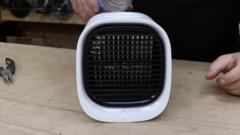
Misleading Claims About Fake Portable Air Conditioners
The advertising industry faces scrutiny over fake portable air conditioners that make unrealistic promises to consumers worldwide. Regulatory authorities have identified a growing trend of misleading marketing campaigns promoting small cooling devices with exaggerated performance claims. These fake portable air conditioners are sold through social media platforms and online marketplaces, claiming to cool entire rooms in remarkably short timeframes.
Consumer protection agencies have become increasingly concerned about the proliferation of these deceptive products. The advertising standards watchdog has determined that claims suggesting fake portable air conditioners can rapidly cool spaces are fundamentally false and misleading to the general public.
ASA's Warning Against Deceptive Cooling Claims
The Advertising Standards Authority (ASA) has issued clear guidance regarding portable air cooler myths circulating across digital platforms. According to their investigation, manufacturers and retailers are making claims that simply cannot be substantiated. The ASA found that advertisements suggesting these devices achieve significant temperature reduction in 90 seconds or similar short durations lack scientific basis.
These misleading cooling device claims often target consumers seeking affordable alternatives to traditional air conditioning systems. Marketing materials frequently feature testimonials and before-and-after scenarios designed to convince viewers that fake portable air conditioners deliver professional-grade cooling performance. However, the actual mechanical capabilities of these devices fall far short of advertised expectations.
How Fake Portable Air Conditioners Mislead Consumers
The deceptive marketing strategies employed for fake portable air conditioners rely on several common tactics. First, manufacturers highlight the devices' compact size and portability while conveniently omitting technical specifications about cooling capacity. Second, testimonials and user reviews are often fabricated or taken out of context to suggest rapid cooling devices work effectively for entire rooms.
Visual advertising for fake portable air conditioners frequently shows dramatic demonstrations of cooling effects in small, contained spaces. These controlled environments bear no resemblance to real-world room sizes where consumers would actually use the products. The portable air cooler myths persist because many consumers lack technical knowledge to evaluate cooling efficiency ratings independently.
Another deceptive strategy involves vague language such as "personal cooling device" or "localized air circulation system." These terms technically describe what the product does without admitting it cannot cool an entire room. Manufacturers exploit this language ambiguity to avoid direct false advertising while maintaining misleading implications.
The Science Behind Rapid Cooling Devices Scam
Legitimate air conditioning systems require proper refrigeration cycles and significant electrical capacity to cool spaces effectively. Fake portable air conditioners typically contain small fans, water tanks, and basic cooling mechanisms that cannot replicate professional air conditioning performance. The rapid cooling devices scam succeeds by presenting low-tech solutions as revolutionary cooling innovations.
The actual operation of these devices involves evaporative cooling or minor fan-assisted circulation. While these mechanisms may provide localized comfort in very specific conditions, they cannot achieve the systematic temperature reduction advertised in misleading promotional content. Engineers confirm that cooling an entire room in 90 seconds would require advanced compression technology and substantial power requirements that these small devices simply do not possess.
ASA Air Cooler Warning and Regulatory Response
Following comprehensive investigation, the ASA air cooler warning has resulted in stricter guidelines for cooling device advertising. The regulatory body has taken action against multiple retailers selling fake portable air conditioners with false claims. Advertisers must now provide substantiation for any temperature reduction claims before publishing promotional materials.
Consumer protection agencies across different regions are implementing similar oversight measures. The ASA air cooler warning serves as a benchmark for other countries developing standards for cooling device marketing. This regulatory response aims to prevent consumers from wasting money on ineffective products based on misleading information.
Protecting Yourself From Misleading Cooling Device Claims
Consumers should examine technical specifications carefully when evaluating portable cooling options. Legitimate products provide detailed information about cooling capacity, energy consumption, and realistic operational limits. Be skeptical of claims suggesting rapid temperature reduction across large spaces or testimonials lacking verifiable sources.
Research independent reviews from credible sources before purchasing portable cooling devices. Look for products certified by relevant energy efficiency standards in your region. Understanding the difference between air conditioning, evaporative cooling, and simple air circulation will help identify misleading cooling device claims in marketing materials.
Reporting suspicious advertisements to consumer protection agencies helps combat the proliferation of fake portable air conditioners. The ASA encourages consumers to submit complaints about misleading cooling claims they encounter online. Collective action strengthens regulatory enforcement and protects vulnerable consumers from deceptive marketing practices.


