
Port of Rotterdam Faces Pressure to Accelerate Green Energy Transition
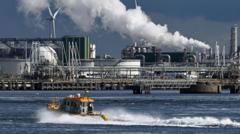
Environmental Lawsuit Prompts Urgent Action at Europe's Major Gateway
The Port of Rotterdam green transition has become the focal point of intensifying environmental scrutiny as legal challenges mount against the facility's pace in reducing reliance on fossil fuel operators. As Europe's largest and most strategically important maritime hub, the port stands at the crossroads of industrial responsibility and ecological necessity, with stakeholders demanding substantially faster progress toward sustainability objectives.
This emerging conflict highlights the growing tension between traditional port operations and contemporary environmental imperatives. The Port of Rotterdam, which handles millions of tonnes of cargo annually across multiple terminals, has faced mounting criticism regarding its continued partnerships with conventional energy suppliers and petrochemical industries. Legal representatives argue that current decarbonization efforts fall substantially short of what contemporary climate science and European regulatory frameworks demand.
The Lawsuit: Demanding Accelerated Decarbonization
Recent litigation against Rotterdam's port authority specifically targets what plaintiffs characterize as insufficient commitment to eliminating dependence on fossil fuel companies. The case argues that the port's existing sustainability initiatives lack the aggressive timelines and concrete commitments necessary to align with European Union climate objectives and Paris Agreement targets.
Legal experts contend that the Port of Rotterdam green transition strategy requires fundamental restructuring of operational partnerships and investment priorities. The lawsuit emphasizes that Europe's largest port cannot simultaneously maintain its status as a global maritime leader while perpetuating deep connections with carbon-intensive industries. This legal pressure represents a watershed moment for port management, forcing executives to reconsider fundamental business models developed over decades.
Core Arguments in the Environmental Case
The plaintiffs present several compelling arguments regarding Rotterdam's environmental performance. First, they document the port's substantial carbon footprint relative to established international sustainability benchmarks for comparable maritime facilities. Second, they highlight existing renewable energy technologies and green infrastructure solutions already proven effective in other European ports, suggesting Rotterdam lacks necessary innovation and investment.
Additionally, the lawsuit emphasizes contractual relationships that effectively lock the Port of Rotterdam green transition efforts into fossil fuel dependency through long-term agreements with petrochemical and energy corporations. These binding arrangements, according to legal representatives, create structural barriers preventing meaningful decarbonization regardless of management intentions.
Rotterdam's Current Sustainability Initiatives
Port authorities have implemented certain environmental programs in response to regulatory pressure and public concerns. These initiatives include shore power installations enabling ships to connect to electrical grids while docked, reducing onboard diesel generator usage during port stays. Additionally, the facility has invested in modernized cargo handling equipment designed to minimize emissions during loading and unloading operations.
However, critics argue these measures represent incremental improvements rather than systemic transformation. The Port of Rotterdam green transition requires fundamentally different approaches to energy sourcing, industrial partnerships, and long-term strategic planning. Current initiatives, while valuable, address symptoms rather than addressing core structural challenges inherent to the port's operational model.
Investment in Renewable Energy Infrastructure
Rotterdam has announced commitments to expand renewable energy connections and improve electrical grid capacity for incoming vessels. These infrastructure upgrades would theoretically reduce ship emissions substantially when visiting the port. Nevertheless, implementation timelines remain uncertain, and funding allocations appear insufficient relative to the scale of decarbonization challenges facing this massive maritime facility.
Broader European Port Sustainability Context
The Port of Rotterdam green transition dispute occurs within broader European discussions about maritime decarbonization and port environmental responsibility. Other major European ports face similar pressures, yet some facilities have demonstrated faster progress toward sustainability objectives. Ports like Copenhagen and Hamburg have implemented more aggressive renewable energy strategies and reduced fossil fuel dependency more rapidly.
This competitive environmental landscape creates pressure for Rotterdam to accelerate its transformation or risk losing operational legitimacy and market positioning. International shipping companies increasingly prefer calling at ports with demonstrably strong environmental credentials, creating economic incentives for accelerated decarbonization beyond legal and regulatory mandates.
Future Implications and Expected Developments
The Port of Rotterdam green transition will likely accelerate significantly regardless of lawsuit outcomes, given converging pressures from environmental advocacy, regulatory authorities, and market forces. Port management cannot indefinitely maintain fossil fuel partnerships while European climate policies tighten and international shipping standards evolve toward zero-emission operations.
Expected developments include accelerated timeline modifications for renewable energy infrastructure, renegotiation of contracts with petrochemical companies, and potentially substantial investment reallocations toward sustainable technologies. The Port of Rotterdam green transition represents not merely environmental necessity but increasingly, fundamental business strategy for maintaining competitive advantage in evolving global maritime commerce.
This transformation will reshape Rotterdam's industrial character and environmental impact for decades, influencing not only port operations but regional economic patterns throughout the Netherlands and surrounding European regions.


