
Ukraine Intensifies Strikes on Russian Naval Fleet Near Crimea
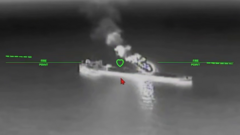
Ukraine Escalates Military Pressure on Russian Naval Assets
Ukraine strikes Russian ships near Crimea represent a significant escalation in the country's strategic campaign to disrupt Moscow's military capabilities in the region. The recent series of coordinated attacks demonstrate Kyiv's commitment to undermining Russian operational effectiveness through precision targeting of critical maritime assets and logistical infrastructure.
The campaign reflects Ukraine's broader strategy of degrading Russia's capacity to maintain its occupation of Crimea and sustain military operations across the peninsula. By focusing on naval targets, Ukrainian forces aim to create supply chain vulnerabilities that could prove decisive in the ongoing conflict.
Strategic Objectives Behind the Naval Offensive
The attacks appear to represent the latest phase of Ukraine's comprehensive strategy to systematically restrict supply lines and cut off critical maritime routes serving occupied Crimea. This calculated approach targets the economic and military lifeblood of Russian-controlled territory, leveraging Ukraine's growing capabilities in naval and drone warfare.
By striking vessels in the Black Sea, Ukrainian forces are demonstrating an expanded reach that extends beyond traditional land-based operations. The naval campaign serves multiple tactical and strategic purposes, including the disruption of fuel shipments, ammunition delivery, and personnel rotation essential for maintaining Russian military presence in the region.
Impact on Regional Supply Networks
The targeting of fuel supplies represents a particularly significant dimension of this military strategy. Fuel shortages would constrain Russian military mobility, limit operational flexibility, and impact heating and energy infrastructure across occupied territories. This approach reflects a sophisticated understanding of how logistical pressure can amplify military advantages.
Ships operating in the waters near Crimea face increasing risks as Ukrainian capabilities continue to improve. The strikes represent not merely symbolic actions but deliberate efforts to degrade Russia's capacity to sustain extended military operations in the Black Sea region and maintain control over vital transportation corridors.
Evolving Nature of Black Sea Warfare
The pattern of attacks reveals Ukraine's evolving strategy in maritime operations. Rather than attempting large-scale naval engagements, Ukrainian forces have adopted asymmetric tactics that maximize damage while minimizing exposure to Russian counter-strikes. This approach has proven increasingly effective in degrading Russian naval superiority.
The use of advanced weaponry, including domestically produced and improvised naval drones, has fundamentally altered the strategic calculus in the Black Sea. These technologies enable Ukrainian forces to strike targets at greater distances and with greater precision than previously possible, fundamentally challenging Russian dominance in the maritime domain.
Broader Implications for the Conflict
Ukraine strikes Russian ships near Crimea as part of a long-term strategy designed to make continued occupation economically and militarily unsustainable for Moscow. The cumulative effect of disrupted supply lines, damaged vessels, and degraded infrastructure contributes to the overall pressure on Russian forces throughout the region.
As the conflict continues, maritime warfare has emerged as a critical domain where Ukraine can leverage technological innovation and tactical ingenuity to offset Russia's advantages in conventional military strength. The success of these operations may influence how future military campaigns are conducted in contested maritime environments globally.
Continuity of Strategic Operations
The sustained nature of these attacks indicates that Ukrainian command structures view naval interdiction as a cornerstone of their long-term military strategy. Regular strikes maintain pressure on Russian logistics while demonstrating to both domestic and international audiences that Ukraine possesses the capability to challenge Russian control of Crimean waters.
Looking forward, the trajectory of these operations suggests that maritime conflict will remain a defining feature of the ongoing struggle for control over the Black Sea region and the territories connected to it through vital shipping routes and supply corridors.


