
Artificial Ice Pyramids: India's Mountain Villages Combat Water Scarcity
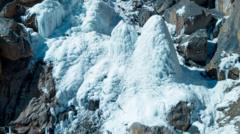
Innovative Solutions for Mountain Water Scarcity
Artificial glaciers in India represent a groundbreaking approach to addressing severe water challenges facing Himalayan communities. These engineered ice structures, often called ice pyramids, are transforming agricultural practices in remote mountain villages where traditional water sources have become increasingly unreliable.
High-altitude regions across the Himalayas experience prolonged dry seasons that threaten crop production and livestock sustainability. Communities inhabiting these challenging terrains have developed ingenious methods to create artificial glaciers, capturing winter water resources and storing them as frozen reserves for use during critical spring planting seasons.
How Artificial Glaciers Work in Mountain Communities
The technology behind these artificial glaciers is elegantly simple yet highly effective. During winter months, when water flows abundantly from melting snow and ice, specialized systems divert water streams into shallow trenches or channels positioned at high altitudes. The extreme cold temperatures characteristic of mountain winter nights naturally freeze this water, creating substantial ice accumulations.
These ice formations function as natural reservoirs throughout the dry season. As spring arrives and temperatures rise, the stored ice gradually melts, providing consistent water supplies precisely when agricultural communities need irrigation most urgently. This synchronized timing between water availability and crop planting requirements makes artificial glaciers invaluable for mountain agriculture.
Village engineers have refined artificial glacier construction techniques over decades of experimentation and adaptation. They strategically select locations based on topography, temperature patterns, and water source proximity, maximizing both ice formation and controlled melting rates.
Agricultural Impact and Crop Sustainability
For Himalayan farmers, artificial glaciers represent the difference between successful harvests and complete crop failure. Traditional agriculture in these regions depends entirely on seasonal water patterns that climate change has increasingly disrupted. By implementing glacier technology, communities gain reliable irrigation capacity independent of unpredictable precipitation.
The artificial glacier method enables cultivation of nutritious crops including vegetables and grains that would otherwise prove impossible to grow at high altitudes. Farmers can confidently plan planting schedules, knowing water availability is assured rather than speculative.
Spring harvests directly support family nutrition and generate income for mountain households. This economic stability strengthens communities, reducing youth migration toward urban centers and preserving mountain village populations.
Environmental Resilience and Climate Adaptation
Artificial glaciers demonstrate remarkable environmental sustainability compared to conventional solutions like large-scale dams or extensive pipeline infrastructure. These community-scale systems require minimal outside resources, rely on natural freeze-thaw cycles, and integrate seamlessly with mountain ecosystems.
The technology embodies local environmental knowledge accumulated through generations of mountain living. Himalayan communities understand their specific climate patterns, water cycles, and terrain characteristics intimately, allowing them to develop perfectly adapted solutions.
As climate change accelerates glacier retreat across major mountain ranges, artificial glacier systems offer practical adaptation strategies that empower communities to maintain agricultural independence and food security.
Technical Innovation and Community Engineering
Village engineers continuously improve artificial glacier efficiency through experimental adjustments. They experiment with varying channel configurations, ice pile arrangements, and water intake mechanisms to optimize freezing rates and control melting patterns.
Local knowledge combines with practical engineering ingenuity to solve specific community water challenges. Young villagers increasingly apprentice with experienced engineers, ensuring technological expertise transfers to future generations.
Broader Implications for Mountain Regions
The success of India's artificial glacier initiatives offers important lessons for other Himalayan nations and high-altitude regions worldwide facing similar water scarcity challenges. Nepal, Bhutan, and Pakistan have demonstrated interest in adopting comparable technologies adapted to their specific geographic and climatic conditions.
As extreme weather events become more frequent and precipitation patterns grow increasingly unpredictable, affordable, community-implemented solutions like artificial glaciers become increasingly valuable for vulnerable populations.
These innovative ice structures exemplify how traditional ecological knowledge, combined with practical engineering, can effectively address contemporary environmental challenges. Himalayan villages continue pioneering sustainable adaptation strategies that secure their agricultural futures while maintaining cultural resilience in Earth's highest mountains.


