
Technology Tools Combat Wildfires While Firefighters Remain Essential
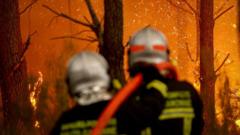
Technology's Role in Wildfire Detection and Monitoring
Modern wildfire technology solutions have revolutionized the way authorities detect and track uncontrolled fires across vast territories. Advanced surveillance systems, artificial intelligence, and satellite imaging now enable early identification of potential fire outbreaks, significantly improving response times. While wildfire technology solutions continue to evolve and become more sophisticated, the reality remains that human expertise and manual intervention are indispensable components of comprehensive fire management strategies.
Thermal imaging cameras and drone surveillance systems have become valuable assets in the firefighting arsenal. These technological innovations provide real-time data about fire behavior, spread patterns, and intensity levels. Automated alert systems connected to satellite networks can identify hotspots within minutes of ignition, allowing emergency services to mobilize resources quickly. However, these detection capabilities represent only the first phase of wildfire management.
The Limitations of Automated Systems
Despite impressive technological advances, automated systems cannot independently extinguish wildfires or make complex tactical decisions during emergency situations. Wildfire detection systems can identify where fires exist, but they cannot respond to unexpected changes in weather, terrain challenges, or environmental factors that demand immediate human judgment. Machine learning algorithms provide predictive insights, yet they cannot replace the adaptive thinking and on-ground expertise that experienced firefighters bring to critical moments.
The coordination required during large-scale wildfire incidents involves hundreds of personnel working across multiple jurisdictions. Technology assists in data collection and analysis, but humans must interpret that information and adjust strategies accordingly. Evacuation decisions, resource allocation, and tactical maneuvers all depend on personnel who understand both fire behavior and community dynamics.
Integration of Technology and Human Expertise
The most effective wildfire management strategies combine advanced technology with skilled human resources. Firefighters now operate alongside sophisticated tools that enhance their capabilities rather than replace them. Ground crews use thermal imaging to locate hot spots, drones scout dangerous terrain before personnel deployment, and communication systems powered by artificial intelligence optimize team coordination.
Firefighting agencies invest heavily in training programs that teach personnel how to leverage technological tools effectively. Modern firefighters must understand data interpretation, equipment operation, and how to integrate real-time information into decision-making processes. This convergence of human expertise and technological capability creates more resilient and responsive fire management systems.
Current Technological Innovations in Wildfire Management
Several cutting-edge technologies are now deployed across wildfire monitoring infrastructure. LiDAR systems create detailed three-dimensional maps of affected areas, helping planners identify vulnerable communities and optimal evacuation routes. Machine vision systems analyze satellite imagery to detect structural fires in their earliest stages, sometimes before they become visible to the naked eye.
Water-dropping drones and automated suppression systems show promise for specific applications, particularly in remote areas where ground access is limited. However, these tools work most effectively when coordinated with traditional firefighting units. Predictive analytics examine historical fire data, weather patterns, and vegetation conditions to forecast high-risk periods and allow for preventive measures such as controlled burns and defensible space maintenance.
The Future of Wildfire Response
As wildfire technology solutions continue advancing, the human element remains irreplaceable. Research indicates that the most successful fire management outcomes result from balanced approaches that emphasize both technological innovation and personnel expertise. Future strategies will likely feature even greater integration, with artificial intelligence assisting firefighters in real-time decision-making rather than attempting to function independently.
Investment in firefighter training programs, equipment modernization, and technological infrastructure creates a comprehensive approach to wildfire challenges. Community engagement and public education also play vital roles that technology alone cannot fulfill. The question is not whether technology can replace firefighters, but rather how best to combine these complementary resources for maximum effectiveness.
Conclusion
Wildfire technology solutions represent significant progress in fire detection, monitoring, and management capabilities. Yet these advances strengthen rather than eliminate the need for trained firefighters. The future of wildfire response depends on recognizing that technology and human expertise serve different but equally essential functions in protecting lives and property from increasingly intense fire incidents.


