
Stress Tests Endorse Resilience of Banks and NBFCs
The global financial crisis of 2008 served as a wake-up call for the banking and non-banking financial companies (NBFCs) across the world. It exposed the vulnerabilities and weaknesses in the financial system, leading to a significant loss of trust and confidence among the public. In order to prevent such a crisis from happening again, regulatory bodies have introduced stress tests to evaluate the resilience of banks and NBFCs. These tests have proven to be an effective tool in identifying potential risks and ensuring the stability of the financial system.
Stress tests are a simulation exercise designed to assess the ability of financial institutions to withstand adverse economic conditions. They involve subjecting banks and NBFCs to a series of hypothetical scenarios, such as a severe economic downturn or a sudden increase in interest rates, to evaluate their financial strength and risk management capabilities. The results of these tests provide valuable insights into the potential impact of adverse events on the institutions and help regulators in formulating appropriate policies to mitigate risks.
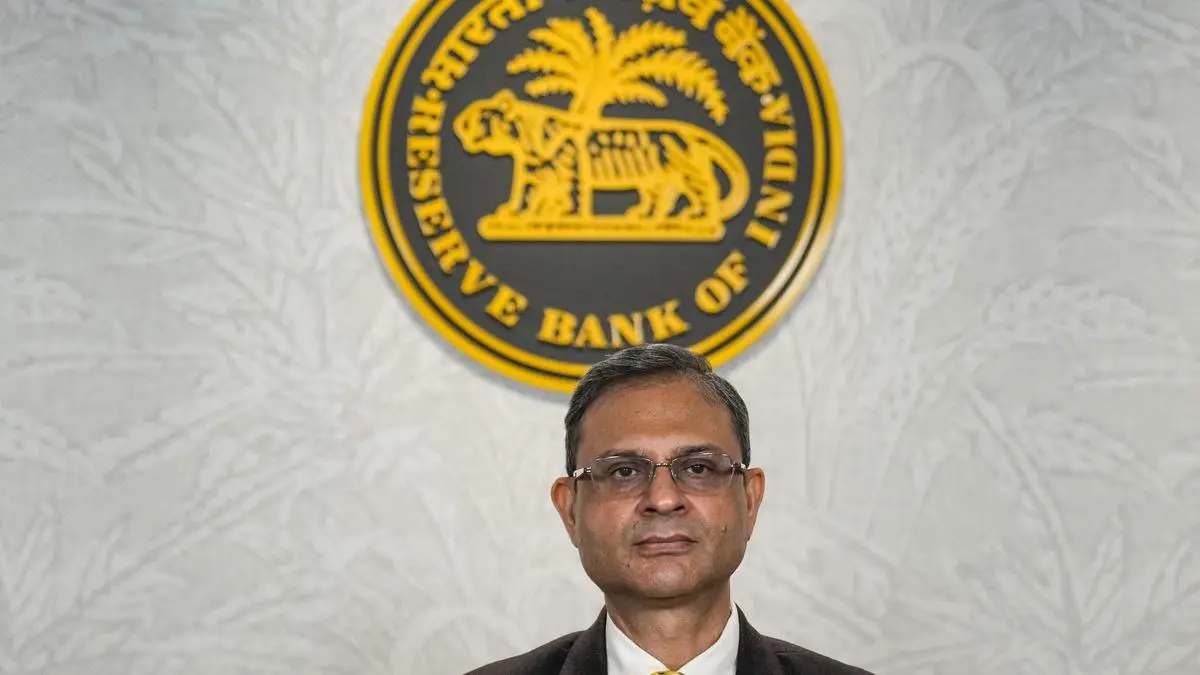
India’s banking and financial sector has undergone significant reforms in recent years, and the introduction of stress tests is a significant step towards ensuring the stability and resilience of the system. The Reserve Bank of India (RBI) has been conducting stress tests on banks since 2009 and has made it mandatory for NBFCs to undergo similar tests since 2014. These tests have been instrumental in identifying potential risks and guiding the institutions towards better risk management practices.
The results of the stress tests conducted by the RBI have been encouraging, with most banks and NBFCs showing a strong resilience towards adverse scenarios. The tests have revealed that the capital adequacy, liquidity, and asset quality of these institutions are well within the prescribed norms, indicating their ability to absorb potential shocks. This is a testament to the robustness of the Indian financial system and the effectiveness of the regulatory framework.
The recent stress tests conducted by the RBI in the wake of the COVID-19 pandemic have further endorsed the resilience of banks and NBFCs. The pandemic has caused unprecedented disruptions in the global economy, and the financial sector has not been spared. However, the stress tests have shown that the Indian banking and financial system is well-prepared to withstand such crises. The results have instilled confidence among the public and investors, reaffirming the stability and strength of the system.
The stress tests have also played a crucial role in enhancing transparency and accountability in the financial sector. By subjecting institutions to various scenarios, the tests have exposed any weaknesses and vulnerabilities that may have gone unnoticed. This has compelled the banks and NBFCs to strengthen their risk management practices and adopt a more proactive approach towards identifying and mitigating risks. As a result, the financial system has become more resilient and better equipped to handle any potential crisis.
The stress tests have also been beneficial for the customers of banks and NBFCs. By ensuring the stability and resilience of these institutions, the tests have safeguarded the interests of depositors and borrowers. It has also helped in maintaining the overall trust and confidence of the public in the financial system, which is essential for its smooth functioning.
In addition to the RBI’s stress tests, the Securities and Exchange Board of India (SEBI) has also introduced stress tests for mutual funds and asset management companies (AMCs). These tests are aimed at assessing the impact of market volatility on the portfolio of mutual funds and their ability to withstand such shocks. This move has further strengthened the regulatory framework and ensured the stability of the mutual fund industry.
In conclusion, stress tests have emerged as a crucial tool in evaluating the resilience of banks and NBFCs. The results of these tests have been highly encouraging, showcasing the strength and stability of the Indian financial system. The tests have not only helped in identifying potential risks but have also guided institutions towards adopting better risk management practices. With the introduction of stress tests, the Indian banking and financial sector has taken a significant step towards building a robust and stable financial system, instilling confidence among stakeholders and promoting economic growth.





