
Woman Reveals Lucien Freud Studio Memories Following £25m Artwork Sale
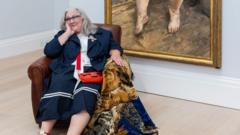
Iconic Artist Studio Memories Resurface After Major Sale
Sue Tilley has stepped forward with fascinating accounts of her time spent within Lucien Freud's legendary studio, offering unprecedented glimpses into the creative world of one of the twentieth century's most celebrated painters. The revelation comes in the wake of a substantial £25m art sale, reigniting public interest in Freud's life and working environment. Tilley's candid recollections paint a vivid picture of the artist's eccentric workspace and his unconventional approach to composition and portraiture.
Behind the Canvas: Studio Life with Lucien Freud
According to Tilley's accounts, sessions at Lucien Freud's studio were marked by an atmosphere that blended artistic intensity with social leisure. The model recalls champagne-fueled lunch breaks that punctuated long hours of posing, creating an intimate dynamic between artist and subject. These moments offered respite from the demanding process of sitting for one of the world's most meticulous painters, whose attention to detail was legendary within artistic circles.
The Unconventional Workspace
Tilley describes Freud's studio environment as notably informal and deliberately unrefined. The space, characterized by what she terms a distinctly "scruffy" aesthetic, contrasted sharply with the sophisticated nature of the artworks produced within its walls. Rather than maintaining a pristine, orderly atelier, Freud seemed content to work amidst creative chaos. The studio's eclectic furnishings and apparent disregard for conventional tidiness contributed to its unique character and bohemian atmosphere.
Unconventional Decorative Choices
Among the most striking details Tilley recalls is the presence of a Rodin sculpture that served an entirely practical purpose within the studio. Rather than being displayed as a revered artwork or centerpiece, this significant sculptural work functioned as a doorstop—a testament to Freud's irreverent approach to art and cultural icons. This unconventional use of a museum-quality piece reveals the artist's casual yet profound relationship with artistic creation and established art historical traditions.
The Significance of the £25m Transaction
The recent art sale valued at £25 million underscores the enduring market value and cultural importance of Freud's works. Such significant financial transactions serve as indicators of the artist's continued relevance and the sustained demand among collectors for his distinctive paintings. Tilley's emergence with these personal narratives adds layers of human context to the commercial aspects of the art world, bridging the gap between marketplace valuations and the intimate realities of artistic practice.
Artistic Process and Personal Connection
Freud's reputation as a demanding perfectionist is well-documented within art historical scholarship, and Tilley's recollections align with established accounts of his working methods. The extended sessions required for his portraiture necessitated a unique relationship between painter and model, one that often transcended the traditional artist-subject dynamic. Champagne lunches appear to have served dual purposes: as social lubricant facilitating conversation and as practical interludes allowing both parties to refresh themselves during intensive creative work.
The model's willingness to share these memories provides contemporary audiences with anthropological detail about how major artworks were actually created. Beyond the finished paintings themselves, understanding the environment, procedures, and interpersonal dynamics that enabled their creation enriches appreciation for Freud's artistic legacy. Her testimony humanizes the creative process while documenting the eccentricities that defined one artist's approach to his craft.
Cultural Legacy and Market Impact
Lucien Freud's influence on contemporary art remains substantial, with his works commanding premium prices at auction houses globally. The £25m sale exemplifies the continued enthusiasm among collectors, museums, and institutional buyers for acquiring his pieces. As his market presence strengthens, first-hand accounts from individuals who participated in the artistic process become increasingly valuable as historical documentation.
Tilley's decision to publicize her experiences arrives at a moment when contemporary interest in twentieth-century artistic practice is experiencing resurgence. Her narratives contribute essential primary source material that complements scholarly analysis and auction house cataloguing, offering perspectives that written criticism alone cannot capture.
Preserving Artistic Memory
These personal recollections represent a form of cultural preservation, capturing ephemeral aspects of studio life that might otherwise remain undocumented. The informal nature of Freud's creative space, his unconventional treatment of artworks, and the interpersonal dynamics of extended modeling sessions provide valuable insights into how major artistic achievements manifested in practice. As decades pass and primary witnesses to such creative environments become fewer, testimonies like Tilley's grow increasingly significant for art historians, scholars, and enthusiasts seeking comprehensive understanding of pivotal artistic figures and their methodologies.


