
Why Critical Technology Infrastructure Faces Extreme Heat Risks
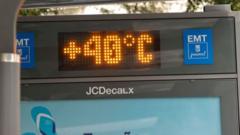
Critical Technology Infrastructure Heat Vulnerability: An Urgent Challenge
Critical technology infrastructure heat vulnerability represents one of the most pressing challenges facing modern societies as global temperatures continue to rise. Energy grids and railway services stand among the most vulnerable essential systems that depend on complex technological networks to function properly. Understanding why this infrastructure struggles under extreme heat conditions is essential for developing effective solutions to protect vital services.
How Energy Grids Struggle With Extreme Temperatures
Electrical power systems face unprecedented challenges during periods of intense heat. Transformers, cables, and distribution networks operate at reduced efficiency when ambient temperatures soar. Cooling systems that rely on water sources become compromised when water supplies diminish during droughts that often accompany heat waves.
Peak demand for electricity increases dramatically during hot weather as consumers activate air conditioning systems. Simultaneously, generation capacity frequently decreases because thermal power plants require cooler water for their cooling mechanisms. This creates a dangerous supply-demand imbalance that can lead to rolling blackouts or complete system failures.
Railway Services and Transportation Infrastructure Under Heat Stress
Train services experience significant disruptions when exposed to extreme heat conditions. Rail tracks expand and buckle under high temperatures, forcing operators to reduce train speeds to prevent derailments. Signaling systems and electronic components within railway infrastructure become unreliable during temperature spikes, creating safety hazards for passengers and cargo.
Pantographs that supply electricity to trains can malfunction, and overhead power lines sag excessively in extreme heat. These operational limitations force transit authorities to cancel or significantly delay services, affecting millions of commuters and disrupting freight transportation networks essential to economic activity.
Digital Infrastructure and Data Center Vulnerabilities
Data centers that support cloud services, telecommunications, and internet connectivity consume enormous amounts of electricity for both processing and cooling. Critical technology infrastructure heat vulnerability extends deeply into the digital realm, where server equipment operates within strict temperature parameters.
When cooling systems become overloaded, equipment temperatures rise beyond safe operating ranges. Hard drives, processors, and network components experience accelerated failure rates. Data center outages cascade across multiple sectors simultaneously, affecting financial systems, healthcare networks, emergency services, and business operations.
Water Scarcity Compounds Infrastructure Challenges
Many cooling systems for power plants, data centers, and industrial facilities depend on abundant water supplies. During heat waves that trigger droughts, water availability decreases precisely when demand increases. This creates severe constraints on infrastructure operators who must choose between maintaining operations and protecting water resources.
Rivers used for power plant cooling may be closed to industrial use when water levels drop below minimum thresholds. Alternative cooling methods are often less efficient and more expensive, forcing operators to reduce output or halt operations temporarily.
Economic and Social Impact of Infrastructure Failures
Disruptions to critical technology infrastructure heat-related failures create widespread economic consequences. Manufacturing plants shut down temporarily, supply chains are interrupted, and businesses lose productivity. Healthcare facilities may face challenges maintaining critical systems if backup power becomes insufficient.
Vulnerable populations without access to cooling suffer disproportionately when power outages occur during extreme heat events. The elderly, low-income households, and people with medical conditions face heightened health risks when air conditioning becomes unavailable.
Solutions and Adaptation Strategies
Infrastructure operators are implementing various strategies to improve resilience. Advanced cooling technologies using alternative methods replace water-dependent systems. Underground cable installations protect electrical infrastructure from extreme surface temperatures.
Improved forecasting and demand management systems allow operators to anticipate peak loads and prepare resources accordingly. Smart grid technologies enable dynamic load distribution across networks to prevent localized overload conditions.
Investment in renewable energy sources, particularly solar installations, helps offset cooling-related efficiency losses in traditional power generation. Grid modernization efforts focus on building redundancy and flexibility into systems designed decades ago for different climate conditions.
The Path Forward for Infrastructure Resilience
Addressing critical technology infrastructure heat vulnerability requires coordinated action across multiple sectors. Policymakers must establish standards requiring climate resilience in infrastructure design. Operators need funding for upgrades and modernization projects. Researchers continue developing cooling innovations and heat-resistant materials.
As climate patterns shift toward more frequent and intense heat events, the urgency of protecting essential infrastructure intensifies. Communities worldwide must recognize that maintaining reliable power, transportation, and digital services depends on proactive investment in resilience measures today.


