
US Strikes Iran After Military Deaths as Trump Warns of Retaliation
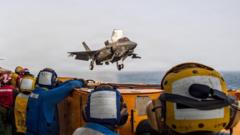
US Military Operations Target Iran Following Soldier Deaths
The United States has conducted fresh US strikes Iran operations targeting strategic military installations, following incidents that resulted in American soldier casualties. President Trump has issued stern warnings regarding potential retaliation, escalating tensions in the volatile Middle Eastern region and prompting international concern about regional stability.
According to official statements from the Pentagon, the military operations were specifically designed to degrade Iran's capacity to conduct offensive actions against commercial and military vessels transiting through one of the world's most critical shipping corridors. The strategic importance of maintaining freedom of navigation in these waters has long been a cornerstone of US foreign policy in the Persian Gulf region.
Strategic Objectives of the Military Operations
Officials confirmed that US strikes Iran operations aimed at reducing Tehran's ability to threaten maritime traffic through this crucial waterway. The Strait of Hormuz represents a vital passage for global oil supplies, with millions of barrels transiting daily through its narrow channels. Any disruption to shipping in this region has significant implications for international energy markets and global economic stability.
The decision to launch these military strikes came after careful deliberation among national security officials, who assessed the threat level posed by Iranian military capabilities in the region. Strategic planners determined that degrading specific naval and drone capabilities would reduce immediate threats to American interests and allied nations operating in the Persian Gulf.
Trump's Strong Warning and Commitment to Deterrence
President Trump delivered pointed remarks regarding the United States' commitment to protecting American personnel and interests abroad. His warnings of retaliation underscore the administration's determination to maintain military superiority in the region and deter future hostile actions. The president's rhetoric reflected a firm stance on defending Americans stationed across Middle Eastern bases and diplomatic facilities.
The Trump administration has consistently emphasized that any attacks resulting in American casualties would warrant a decisive response. This policy framework aims to establish clear consequences for hostile actions and reinforce the message that the United States remains committed to protecting its service members deployed throughout global hotspots.
Regional Security Implications and International Response
The escalation involving US strikes Iran operations has drawn reactions from various international players, including regional allies and global powers monitoring developments closely. Countries dependent on stable maritime commerce through the Strait of Hormuz have expressed concerns about potential disruptions to shipping lanes and energy supplies.
Military analysts note that Iran's capabilities for attacking vessels have evolved significantly over recent years, incorporating advanced drone technology and precision-guided systems. The Iranian Revolutionary Guard Corps Navy operates a substantial fleet of speedboats and possesses various anti-ship missiles that pose genuine threats to international maritime traffic.
Understanding the Strategic Context
The situation reflects broader tensions between Washington and Tehran that have intensified following previous military confrontations and diplomatic breakdowns. The historical context of US-Iran relations, including past military incidents and the withdrawal from international nuclear agreements, has created an atmosphere of mutual distrust and heightened vigilance.
American military planners have consistently identified Iranian capabilities in the Strait of Hormuz as a priority concern. The narrow waterway, where roughly one-third of global seaborne traded oil passes through annually, has become a flashpoint for regional tensions and great power competition for influence.
Military Capabilities and Defense Strategies
Iran's ability to project power across the Persian Gulf has grown through investments in asymmetrical warfare capabilities, including unmanned systems and naval assets designed to swarm larger vessels. These tactical approaches present unique challenges for conventional naval forces and require specialized countermeasures developed by American defense strategists.
The US military maintains substantial permanent and rotating forces throughout the Gulf region, including carrier strike groups, guided-missile destroyers, and air bases in allied nations. These forward-deployed assets provide rapid response capabilities and serve as visible demonstrations of American commitment to regional security arrangements.
Conclusion and Forward Outlook
The recent US strikes Iran military operations represent a significant escalation in the ongoing strategic competition within the Middle East. With Trump's explicit warnings of continued retaliation for attacks on American personnel, the situation remains fluid and subject to further developments. International observers continue monitoring the situation closely, aware that the stakes involve both regional stability and global energy security.


