
US Sanctions on Iran Draw Sharp Criticism from Beijing
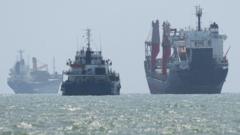
China Condemns Fresh US Sanctions on Iran
Beijing has issued strong criticism over recent US sanctions on Iran, characterizing the measures as counterproductive and unlawful. The US sanctions on Iran represent another escalation in Washington's strategy to pressure nations maintaining commercial ties with Tehran, particularly targeting countries that import Iranian oil products.
The Chinese government's response underscores growing tensions between Washington and Beijing over Iranian trade relationships. This diplomatic row highlights the critical role China plays as Iran's largest petroleum buyer, with Chinese refineries consistently purchasing substantial volumes of Iranian crude oil.
Threats of Economic Isolation
American officials have made explicit threats to isolate any nation that refuses to sever business connections with Tehran. The stated objective is to restrict Iran's ability to generate revenue through oil exports, thereby limiting its access to international markets and financial systems.
However, this approach directly conflicts with China's economic interests. Beijing views its commercial engagement with Iran as a legitimate business relationship protected under international law. Chinese state representatives argue that unilateral US sanctions lack legal foundation under international trade regulations.
Impact on Global Oil Markets
China's significant petroleum imports from Iran make Beijing particularly vulnerable to American pressure. The sanctions threaten to complicate existing supply chains and force Chinese companies to choose between compliance with American restrictions and maintaining profitable Iranian partnerships.
The broader implications extend beyond bilateral relations between the three nations. Other countries engaged in Iranian trade face similar pressure, creating a complex geopolitical situation where economic interests clash with political allegiances.
Beijing's Strategic Response
Rather than capitulating to US demands, Chinese authorities have signaled their intention to continue normal trade operations with Tehran. This position demonstrates Beijing's resistance to what officials perceive as economic coercion disguised as sanctions policy.
Chinese officials have emphasized that international commerce should operate according to established legal frameworks, not unilateral dictates from any single nation. This stance reflects broader Chinese concerns about American extraterritorial application of sanctions against third-party countries.
Broader Geopolitical Implications
The confrontation over Iran sanctions represents a significant point of contention in US-China relations. Beyond immediate trade concerns, the dispute reflects deeper disagreements about international law, sovereignty, and the proper role of economic measures in foreign policy.
European nations and other trading partners also find themselves caught between competing pressures, as American threats of secondary sanctions extend to any entity doing business with sanctioned Iranian entities or with nations that refuse to comply with American restrictions.
China's public criticism of the US sanctions on Iran strengthens Beijing's position as a counterweight to American unilateral actions in global affairs. The response also consolidates Chinese support among nations seeking to resist American economic pressure.


