
US and Iran Escalate Tensions After Khamenei's Burial
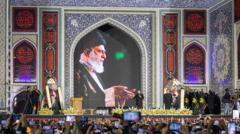
US and Iran Military Escalation Intensifies Following Supreme Leader's Funeral
Tensions between the United States and Iran have reached a critical point as both nations engage in direct military confrontation, with US and Iran military strikes marking a significant escalation in regional hostilities. The developments come in the aftermath of Ayatollah Khamenei's burial ceremony, which has triggered a series of retaliatory military actions from both sides.
Centcom Confirms Extensive Strike Campaign
The United States Central Command (Centcom) has reported conducting a comprehensive military operation targeting Iranian positions. According to official military statements, the strikes have impacted approximately 90 separate Iranian targets across multiple locations. This represents one of the most substantial direct military operations conducted by US forces against Iranian interests in recent years.
The scope and scale of these operations demonstrate the heightened military readiness and sustained commitment of American defense forces to protect regional interests and respond to perceived threats emanating from Iranian military capabilities.
Casualties and Humanitarian Impact
According to statements released by the Iranian health ministry, the consequences of the military operations have resulted in significant loss of life. Officials have confirmed that 14 individuals have been killed since the initial strikes began on Tuesday. These casualties represent both military and potentially civilian personnel caught in the crossfire of the escalating conflict.
The loss of life underscores the serious nature of the military confrontation and raises concerns among international observers regarding humanitarian implications of the ongoing tensions between the two nations.
Khamenei's Funeral as Catalyst for Escalation
The funeral proceedings for Iran's Supreme Leader Ayatollah Khamenei have created a unique geopolitical moment, coinciding with increased military tensions. The timing of these strikes and the broader context of regional power dynamics suggest that the leadership transition period in Iran may be contributing to the escalated military posture observed from both American and Iranian forces.
International analysts note that periods of leadership transition often witness increased military activities as nations seek to demonstrate strength and resolve during vulnerable moments.
Regional Security Implications
The latest round of US and Iran military strikes carries profound implications for broader Middle Eastern stability. The direct engagement between these two major regional and global actors signals a departure from previous patterns of proxy-based conflict, moving toward more direct military confrontation.
Defense experts and diplomatic observers are closely monitoring the situation to assess whether these operations represent a sustained escalation or a limited tactical response. The international community, including allied nations and neutral observers, continues to evaluate the trajectory of hostilities and potential paths toward de-escalation.
Military and Strategic Assessment
Centcom's comprehensive targeting of 90 Iranian locations suggests a pre-planned and coordinated military strategy rather than a spontaneous response. The precision and scope of operations indicate significant intelligence gathering and strategic planning that likely extended well before the funeral events.
Military analysts are examining the specific targets selected, the weapons systems employed, and the overall strategic objectives that may have motivated such extensive military action during this particularly sensitive period in Iran-US relations.


