
United States Halts HIV Funding for South African Health Programs
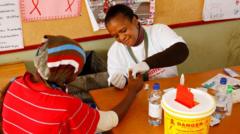
United States Ends Support for HIV Initiatives in South Africa
The United States has announced a significant decision to discontinue financial support for HIV funding South Africa, marking a substantial shift in international health cooperation. This development carries considerable implications for a nation that currently faces the world's most severe HIV epidemic, with over eight million residents living with the virus—a figure that underscores the critical nature of sustained health interventions and medical resources across the region.
Scale of the HIV Crisis in South Africa
South Africa remains at the epicenter of the global HIV pandemic. The country's eight million HIV-positive inhabitants represent approximately one-fifth of all people living with HIV worldwide. This unprecedented concentration of cases reflects both the severity of the disease in the region and the complexity of healthcare challenges faced by South African medical authorities and international partners.
The pandemic has fundamentally transformed South African society, affecting economic productivity, educational systems, and family structures across all demographic segments. Despite considerable progress made in recent decades through expanded access to antiretroviral therapy and prevention programs, the absolute number of infected individuals remains staggering, necessitating robust external financial support to maintain treatment continuity and prevention initiatives.
Impact on Existing HIV Programs
The cessation of United States health aid represents a critical juncture for numerous established HIV-related programs operating throughout South Africa. These initiatives have historically encompassed antiretroviral treatment distribution, voluntary counseling and testing services, prevention campaigns targeting vulnerable populations, and support systems for individuals managing chronic HIV infection.
Healthcare facilities across urban and rural areas have developed infrastructure and operational systems dependent upon consistent international funding mechanisms. Medical professionals and support staff trained through U.S.-funded programs now face uncertain futures regarding program continuation and employment stability. Community health workers who have delivered essential prevention messaging may see their positions and resources significantly reduced.
Challenges for South African Health Infrastructure
South Africa's healthcare system, already strained by competing demands and resource limitations, must now contemplate alternative funding mechanisms to sustain critical HIV programming. The national government faces mounting pressure to reallocate limited domestic resources toward gap-filling created by discontinued external support, potentially diverting funds from other essential health priorities.
Antiretroviral treatment programs serve as a cornerstone of South Africa's HIV response strategy. These interventions have transformed HIV from a fatal diagnosis into a manageable chronic condition for millions of patients. Disruption to these supply chains and treatment delivery systems could have devastating consequences for patient adherence to medications and disease progression management.
Broader International Health Implications
This policy shift raises important questions about the future of bilateral health cooperation between the United States and African nations. International health partnerships have historically operated through sustained commitment and long-term planning horizons necessary for building institutional capacity and achieving measurable health outcomes.
The decision also potentially affects broader international confidence in consistent U.S. engagement with global health initiatives. Other nations and organizations may reassess their partnership strategies and funding commitments based on this precedent of policy reversal regarding established health programs.
Response and Future Outlook
South African health officials, civil society organizations, and international partners are evaluating response strategies to address the funding gap created by this decision. Alternative funding sources through multilateral organizations, bilateral donors, and domestic resource mobilization efforts will require accelerated attention and strategic repositioning.
The situation underscores broader discussions within the international community regarding sustainable financing models for global health initiatives and the importance of predictable, long-term commitments to address pandemics affecting vulnerable populations. As South Africa navigates this transition, the resilience of established HIV programs and the creativity of health system responses will be tested significantly in coming months and years.


