Ukraine Strikes Russian Oil Terminal in St Petersburg Attack
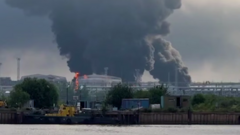
Major Infrastructure Target Hit in St Petersburg
Ukraine has executed a significant military operation against a major oil terminal facility located in St Petersburg, Russia. The Ukraine oil terminal attack represents a strategic move to disrupt critical infrastructure that directly supports Russia's ongoing military campaigns and generates substantial financial resources for war-related operations.
According to statements from Ukrainian leadership, this operation was deliberately designed to target facilities essential to Russia's economic capacity to fund its military activities. The significance of such Ukraine oil terminal strikes extends beyond immediate tactical objectives, representing a broader strategy to weaken the financial foundations supporting armed conflict in the region.
Strategic Importance of Energy Infrastructure
The facility attacked represents one of Russia's key energy distribution hubs, serving as a vital component in the nation's oil and petroleum product supply chain. Energy infrastructure has become increasingly central to modern military strategy, with both sides recognizing that disrupting fuel supplies creates cascading effects throughout military logistics and operations.
Oil terminals function as critical chokepoints in energy distribution networks. When such facilities sustain damage, the ripple effects extend across transportation networks, industrial operations, and military mobilization capabilities. Russia's reliance on petroleum exports as a primary revenue source makes energy infrastructure particularly vulnerable to targeted operations.
Financial Impact on Military Operations
Ukrainian officials have emphasized that the primary objective involves reducing the financial resources available for military expenditures. Energy exports, particularly oil and natural gas products, constitute a substantial portion of Russian government revenue. By targeting production and distribution facilities, Ukraine aims to diminish the funding available for military advancement and operations.
The economic dimension of this conflict has become increasingly pronounced as both nations seek to gain advantages through indirect means. Financial constraints on military budgets directly affect recruitment, equipment acquisition, maintenance capabilities, and operational sustainability. Disrupting revenue-generating infrastructure therefore functions as an economic warfare tactic with profound military implications.
Operational Tactics and Strategy
The Ukraine oil terminal attack employed sophisticated military capabilities to strike distant targets within Russian territory. Such operations require advanced intelligence gathering, precise targeting data, precision-guided systems, and careful mission planning to ensure successful execution against protected facilities.
This operation reflects the evolution of modern asymmetric warfare, where technologically advanced nations employ specialized weaponry to neutralize targets far from conventional battle lines. The ability to project power across significant distances and strike critical infrastructure represents a substantial military capability that extends Ukraine's capacity to influence the broader conflict dynamics.
Strategic Implications Moving Forward
The successful execution of this Ukraine oil terminal strike demonstrates evolving military capabilities and strategic determination. As the conflict continues, both nations have adopted strategies targeting each other's economic capacity and logistical support systems rather than relying exclusively on conventional battlefield engagement.
Energy infrastructure attacks represent a calculated approach to degrading an adversary's ability to sustain military operations. By targeting facilities that generate revenue for military operations, Ukraine aims to create strategic pressure through economic constraints. This approach complements traditional military strategies and reflects contemporary understanding of how modern conflicts involve financial, logistical, and economic dimensions alongside direct military confrontation.
Conclusion
The attack on St Petersburg's major oil terminal exemplifies how contemporary military conflicts extend beyond traditional battlefields. Ukraine's focus on infrastructure that generates revenue for Russia's war demonstrates sophisticated strategic thinking about how to weaken adversaries through multiple vectors simultaneously. As these operations continue, the targeting of energy facilities and revenue-generating infrastructure will likely remain central to broader military and economic strategies employed by both sides in this protracted conflict.