
Ukraine Faces Critical Air Defense Shortage Amid Escalating Attacks
Critical Shortage of Air Defense Systems
Ukraine's military leadership has raised serious concerns about a critical interceptor missile shortage that threatens the nation's ability to defend against relentless Russian aerial bombardment. This growing deficiency in air defense capabilities has become increasingly alarming as hostile forces continue their intensive assault campaigns across Ukrainian territory, particularly targeting major population centers.
The interceptor missile shortage represents one of the most pressing operational challenges facing Ukrainian armed forces in their ongoing defense against overwhelming Russian aggression. As the conflict extends into its third year, the depletion of vital air defense ammunition has forced military strategists to make difficult tactical decisions about resource allocation and deployment priorities.
Massive Russian Attack on Kyiv Region
President Volodymyr Zelensky disclosed details of a devastating aerial assault launched against Ukrainian positions during recent operations. According to official statements, the massive Russian attack comprised 68 conventional missiles coupled with an unprecedented wave of 351 strike drones targeting infrastructure and civilian areas across the Kyiv region.
The scale and intensity of this coordinated offensive underscore the systematic nature of Russian military operations aimed at degrading Ukrainian defensive capabilities and civilian morale. The combination of missiles and unmanned aerial vehicles represents a sophisticated multi-vector attack strategy designed to overwhelm existing air defense networks.
Casualties and Impact Assessment
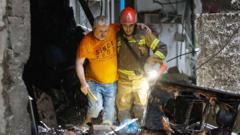
The intense bombardment resulted in significant human casualties within the Kyiv region, with 23 individuals killed during the assault. Beyond the immediate loss of life, the attacks have caused extensive damage to critical infrastructure, energy facilities, and residential areas, compounding the humanitarian crisis facing Ukrainian citizens.
Air Defense Challenges and Resource Constraints
The interceptor missile shortage has created a precarious situation for Ukrainian defenders who must make strategic choices about target prioritization. Military commanders face the difficult reality of being unable to intercept every incoming threat, forcing them to focus defensive efforts on protecting the most critical infrastructure and densely populated urban centers.
Military analysts indicate that the continuous depletion of air defense ammunition reflects the disproportionate rate of Russian missile and drone production compared to Western supply capabilities. This asymmetry has emerged as a critical vulnerability in Ukraine's long-term defense strategy.
International Support and Supply Chain Issues
Ukraine's allies, particularly NATO countries and Western nations, have attempted to address the interceptor missile shortage through emergency military aid packages and accelerated defense procurement initiatives. However, global manufacturing capacity constraints and logistical challenges have limited the speed at which replacement systems and ammunition can be delivered to Ukrainian forces.
The situation highlights the urgent necessity for increased international coordination in defense production and support mechanisms to sustain Ukrainian military capabilities against sustained Russian aggression. Defense experts emphasize that resolving the interceptor missile shortage remains essential for maintaining effective air defense protection of civilian populations and critical national infrastructure.
Strategic Implications and Future Outlook
As the conflict continues, the critical nature of the interceptor missile shortage will likely influence broader military strategy and diplomatic negotiations. Ukraine's ability to sustain effective air defense operations directly impacts civilian resilience, economic functionality, and overall national security objectives in the face of persistent Russian military pressure.


