UK Residents Stockpile Essentials Following Government Emergency Preparedness Campaign

UK Government Launches Emergency Preparedness Initiative
The UK government has officially recommended that all residents maintain a government emergency stockpile consisting of at least three days' worth of essential supplies to prepare for potential crises. This government emergency stockpile recommendation comes as part of a comprehensive campaign aimed at helping British households become more resilient during unexpected emergencies and disruptions to normal services.
The initiative addresses growing concerns about various threats, including state-sponsored security risks and the escalating impacts of climate-related incidents. Government officials have emphasized that maintaining basic supplies is a practical step every household can take to enhance their preparedness and self-sufficiency during times of crisis.
What Britons Are Stockpiling
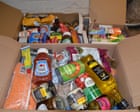
Across the United Kingdom, residents are responding to the government campaign by accumulating a diverse range of emergency essentials. Common items being stockpiled include dried foods with extended shelf lives, bottled water for drinking and sanitation purposes, prescription medications and over-the-counter health supplies, and portable power banks to maintain communication devices and essential electronics.
Beyond these basics, many households are also considering additional items such as canned goods, non-perishable snacks, first aid kits, flashlights, batteries, and important documents stored in waterproof containers. The variety of items being accumulated reflects different family sizes, dietary requirements, and individual circumstances.
The Three-Day Supply Standard
Government guidelines specify that households should aim for a minimum of three days' worth of supplies. This timeframe provides sufficient resources to sustain a family during an immediate crisis period, covering the initial phase before emergency services can be fully mobilized or supply chains restored.
The three-day minimum has been carefully calculated based on typical emergency scenarios and response timelines. However, many families are extending their preparations beyond this baseline recommendation, creating supplies for one week or longer to provide additional security and peace of mind.
Motivations Behind UK Stockpiling Efforts
Several factors are driving British households to take emergency preparedness seriously. Concerns about potential state-sponsored interference and cyber-attacks on critical infrastructure have heightened awareness of potential disruptions to power supplies, water systems, and supply chains.
Simultaneously, the increasingly visible effects of climate change have prompted residents to consider the potential for severe weather events, flooding, and other weather-related emergencies. Recent years have demonstrated how rapidly ordinary circumstances can become extraordinary, making advance preparation seem increasingly prudent.
Government Support and Resources
The campaign accompanying the government emergency stockpile recommendations includes practical guidance on which items to prioritize, how to store supplies properly, and rotation strategies to maintain freshness. Government agencies have provided checklists and resources to help families systematically prepare their emergency reserves.
Officials have emphasized that stockpiling is not cause for panic but rather a sensible, practical approach to household management. The messaging focuses on normalizing emergency preparedness as a responsible component of modern household administration rather than depicting it as an alarmist response.
Community Response and Adoption
The response from British communities has been notably proactive, with many residents already implementing the recommendations before official guidelines were widely publicized. Retailers have reported increased demand for long-shelf-life items, bottled water, and portable power solutions in recent weeks.
Online forums and community groups have facilitated information sharing about effective stockpiling strategies, cost-efficient purchasing approaches, and storage solutions. Many Britons are approaching emergency preparedness as a collaborative community effort rather than individual household concerns.
Practical Implementation Strategies
Effective stockpiling requires thoughtful planning and organization. Households are advised to store supplies in cool, dry locations away from direct sunlight, to label items with purchase dates, and to periodically rotate stock to maintain freshness and usability.
Families are also considering the specific needs of household members, including children, elderly relatives, and individuals with particular dietary requirements or medical needs. Customizing emergency supplies to accommodate these specific circumstances ensures that preparations remain practical and functional when actually needed.
Looking Forward
As government emergency stockpile initiatives continue gaining traction across UK households, preparedness is becoming an increasingly normalized aspect of responsible household management. The combination of security concerns, climate awareness, and official government guidance has created a cultural shift toward proactive emergency planning among British residents.