UK Emergency Stockpile Campaign Drives Bottled Water Sales Surge
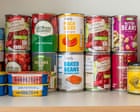
Bottled Water Sales Surge Following UK Government Emergency Guidance
A significant increase in bottled water sales and emergency supplies has been documented across major UK retailers following the government's latest public preparedness initiative. The surge reflects growing consumer interest in emergency stockpiling as households respond to official recommendations for disaster readiness and resilience planning.
The spike in bottled water purchases represents part of a broader trend affecting retail markets nationwide. Supermarkets and convenience stores have observed unprecedented demand across multiple categories of emergency provisions, with customers actively acquiring essential items recommended by authorities.
Be Ready Campaign Launches National Preparedness Initiative
The UK government unveiled the Be Ready campaign last week, establishing a comprehensive framework designed to encourage households throughout the nation to maintain emergency supplies sufficient for a 72-hour period. This initiative addresses multiple potential crisis scenarios, from severe weather events to critical infrastructure vulnerabilities.
Campaign materials emphasize the importance of personal preparedness, guiding citizens on essential items to stockpile. The directive has prompted retailers to increase inventory allocations and expand shelving dedicated to emergency supplies, reflecting anticipated sustained demand patterns.
Retail Sector Reports Dramatic Purchasing Patterns Across Multiple Categories
Beyond bottled water, retailers document substantial increases in complementary product categories. Tinned foods, featuring long shelf lives and nutritional value, have experienced corresponding sales growth. Wind-up radios and torches represent emerging demand segments, as consumers seek battery-independent communication and lighting solutions.
Major retail chains report implementation of stock management protocols to address the unprecedented surge. Distribution networks have accelerated deliveries of emergency-related merchandise to meet evolving consumer demand, with some outlets experiencing temporary supply constraints for popular items.
Emergency Preparedness Addresses Multiple Risk Scenarios
Government guidance encompasses diverse potential emergencies requiring household-level preparation. Extreme weather conditions, including severe storms and flooding, represent immediate concerns for many regions. Additionally, the campaign addresses contemporary security challenges, including potential cyber-attacks affecting critical infrastructure systems.
The comprehensive approach recognizes that emergency scenarios may disrupt supply chains, transportation networks, and utility services. A 72-hour self-sufficiency capability enables households to maintain basic needs during temporary service interruptions or access limitations.
Consumer Response Demonstrates Heightened Risk Awareness
The enthusiastic adoption of emergency stockpiling recommendations indicates shifting consumer perceptions regarding disaster preparedness. Families across demographic segments actively participate in purchasing, suggesting widespread acceptance of government guidance as credible and actionable.
Consumer behavior patterns demonstrate rational response to authentic risk assessment. Rather than panic purchasing, households pursue systematic acquisition of recommended supplies, with purchasing decisions reflecting practical considerations regarding storage capacity and consumption requirements.
Supply Chain and Retail Industry Implications
The sustained demand surge presents both opportunities and operational challenges for retail sectors. Supermarket chains must balance increased inventory requirements with storage limitations and shelf space allocation. Wholesale distributors have expanded production schedules for bottled water and tinned food products to accommodate the elevated demand trajectory.
Industry analysts anticipate continued elevated demand through the coming months, as the Be Ready campaign progresses through subsequent phases. Retailers have begun strategic positioning of emergency supply sections within store layouts, improving customer accessibility and facilitating informed purchasing decisions.
Public Health and Safety Considerations
Emergency preparedness initiatives carry significant public health implications. Adequate household supplies reduce reliance on emergency services during crises, enabling first responders to concentrate resources on critical situations. The campaign aligns with established disaster preparedness frameworks recommended by international health organizations.
Water and food security represent fundamental components of household resilience. The recommended 72-hour supply period ensures basic nutritional needs during temporary service disruptions, supporting family health and stability through emergency situations.
Future Outlook and Campaign Expansion
Government officials indicate the Be Ready campaign represents an ongoing initiative rather than a temporary public information effort. Additional phases will introduce supplementary preparedness recommendations and expand public awareness of emergency response protocols.
The demonstrated consumer response validates the campaign's messaging effectiveness and public receptiveness to preparedness initiatives. As households complete initial stockpiling activities, retail demand patterns may stabilize at elevated baseline levels, creating sustained market dynamics for emergency supply categories moving forward.