
UEFA Signals Potential Boycott Despite FIFA President Support
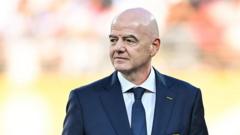
UEFA Maintains Boycott Threat Amid FIFA Leadership Support
The Union of European Football Associations has reaffirmed its position regarding a potential UEFA boycott, declaring that recent backing of FIFA president Gianni Infantino produces no substantial shifts in their current strategy. European football's governing authority conveyed this message through official statements following Wednesday's pivotal meeting, where FIFA members demonstrated their continued confidence in the international football leader.
UEFA officials emphasized that the organization's concerns and demands remain unchanged despite the show of support directed toward Infantino. This declaration underscores the fundamental disagreements between European football authorities and FIFA's central leadership on matters of governance and policy implementation.
Background of the UEFA Boycott Threat
The prospect of a UEFA boycott has emerged from ongoing tensions between the European confederation and FIFA regarding administrative decisions and strategic direction. The UEFA boycott possibility represents a significant escalation in the dispute, potentially affecting international competitions and football operations across the continent.
These tensions have developed over extended periods, with multiple points of contention creating friction between the organizations. The European governing body has consistently advocated for policy modifications that FIFA's leadership, under Infantino's direction, has resisted or delayed implementing.
FIFA's Wednesday Meeting and Gianni Infantino's Support
During Wednesday's meeting, FIFA's membership voted to affirm their confidence in president Gianni Infantino. The overwhelming support from FIFA delegates worldwide demonstrates his sustained backing among international football federations. However, this endorsement has failed to sway UEFA's determination to pursue its threatened action.
The meeting represented a significant moment for FIFA leadership, with Infantino receiving validation from voting members across multiple continents. Nevertheless, UEFA's swift response indicates that this organizational support does not resolve the fundamental disputes dividing the European confederation from FIFA's executive direction.
UEFA's Position and Strategic Response
European football authorities have articulated their unwillingness to accept the current status quo. The UEFA boycott threat remains a tangible possibility, with officials signaling their preparedness to implement such measures if conditions do not improve according to their specifications.
UEFA's leadership has made clear that their concerns transcend individual personnel matters. The organization's grievances encompass broader governance issues, financial distribution models, and decision-making processes they view as inequitable or insufficiently transparent.
Implications for International Football
Should the UEFA boycott proceed, consequences would reverberate throughout international football. European nations represent a substantial portion of global football quality and commercial value, making any withdrawal from FIFA activities significant for the worldwide sporting community.
Such action could affect competitive calendars, tournament participation, and revenue streams for both UEFA member federations and FIFA itself. The stakes involved in this standoff have motivated both parties to maintain their positions with considerable determination.
Looking Forward: Unresolved Tensions
The situation between UEFA and FIFA remains in a state of tension with no immediate resolution apparent. Wednesday's proceedings have intensified rather than ameliorated existing disagreements, suggesting prolonged negotiations may be necessary.
Football stakeholders across Europe and globally are monitoring developments closely, aware that the final outcome could reshape international football governance structures. The UEFA boycott threat persists as a powerful negotiating tool that European authorities appear prepared to exercise if their demands continue unmet by FIFA leadership under Gianni Infantino's administration.


