
Turkish President Presents Firearm to UK PM at NATO Summit
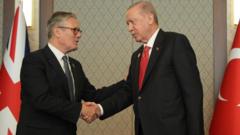
Turkish President Presents Ceremonial Firearm to British Prime Minister
During a recent NATO summit held in Turkey, the Turkish President extended a significant gesture of goodwill by presenting the UK Prime Minister Keir Starmer with a ceremonial firearm and accompanying ammunition. This diplomatic exchange represents a formal acknowledgment of strengthening bilateral relations between the two NATO allies at a critical juncture in international security discussions.
The Turkish President gift to the UK PM occurred within the context of high-level discussions among NATO member states. Such ceremonial presentations are customary diplomatic practices designed to foster closer relationships between leaders and their respective nations. The timing of this Turkish President gift underscores the importance both nations place on their strategic partnership within the NATO alliance structure.
Weapon Remains in Turkish Custody
In accordance with international protocols and security procedures, the firearm presented by the Turkish President has not been transported back to the United Kingdom. Instead, British officials stationed in Turkey have accepted responsibility for the weapon, maintaining it in secure facilities at the British diplomatic mission.
This arrangement reflects standard practice when heads of state exchange ceremonial items that may present logistical or regulatory complexities regarding international transport. The decision to leave the Turkish President gift with British officials in Turkey ensures compliance with various legal frameworks governing the movement of firearms across international borders while preserving the symbolic significance of the diplomatic gesture.
NATO Summit Context and Significance
The presentation of gifts during NATO summits serves as an important complement to official negotiations and strategic discussions. Leaders use such occasions to strengthen personal relationships and demonstrate mutual respect and commitment to alliance objectives. The Turkish President's gesture toward the UK PM reflects Turkey's recognition of Britain's continued importance within the NATO framework.
As NATO navigates complex geopolitical challenges, bilateral relationships between member states become increasingly vital. The exchange between Turkey and the United Kingdom at the summit highlights how traditional diplomatic customs continue to play a role in modern international relations. Both nations share significant security interests and cooperative responsibilities within the alliance.
Diplomatic Protocol and Security Measures
The handling of the Turkish President gift demonstrates the careful attention given to diplomatic exchanges at the highest levels. British officials have established proper protocols for the safekeeping of the presented firearm, ensuring it remains secure and accessible for official purposes. The maintenance of the weapon in Turkey eliminates complications related to customs declarations and import regulations that would arise from transporting such items internationally.
Security considerations surrounding high-level diplomatic gifts require stringent procedures and documentation. The presence of Turkish officials and British representatives ensured that all protocols were observed during the presentation and subsequent custody arrangements. These procedures protect both the symbolic importance of the gift and the security interests of both nations.
Strengthening Turkey-UK Relations
The exchange of gifts between national leaders often signals deeper commitments to cooperation. Britain and Turkey have longstanding ties within NATO, and this Turkish President gift to the UK PM reinforces their collaborative approach to regional and global security challenges. The ceremonial nature of the presentation emphasizes the respect both nations maintain for their diplomatic relationship.
Looking forward, such gestures contribute to the fabric of international relations that sustains alliance cohesion. The Turkish President's presentation reflects a broader commitment to maintaining strong partnerships within NATO as member states address emerging security threats and strategic priorities in an increasingly complex geopolitical landscape.


