Trump's Vaccine Plan: Impact on US Immunization Policy
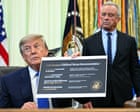
Trump Administration Introduces Major Vaccine Policy Overhaul
The Trump administration has recently unveiled a presidential executive order that fundamentally restructures how Trump vaccine recommendations approach childhood immunization across the nation. This significant policy shift raises critical questions about public health infrastructure, scientific evidence, and potential consequences for disease prevention in American communities.
The executive order mandates substantial modifications to the current childhood vaccination framework. Under this new directive, the number of recommended vaccines would be reduced from existing protocols. Additionally, the combined measles, mumps and rubella (MMR) immunization would be separated into three distinct injections rather than the current combined formula. All childhood immunizations would be administered during individual medical appointments "to the maximum extent feasible," fundamentally changing healthcare delivery models across the nation.
Scientific Foundation and Medical Evidence
Questions remain regarding the scientific basis supporting these policy modifications. The medical and public health communities have relied on decades of peer-reviewed research when developing current immunization schedules. These evidence-based approaches have been instrumental in eliminating or substantially reducing numerous infectious diseases that previously caused significant childhood mortality and disability.
The existing combined vaccine approach was developed following rigorous clinical trials and real-world safety monitoring. Separating these vaccines into individual shots would represent a departure from protocols established by leading health organizations, including the Centers for Disease Control and Prevention (CDC) and the American Academy of Pediatrics (AAP).
Potential Impact on Vaccination Rates
A critical concern involves whether these policy changes might influence childhood immunization policy acceptance among American families. Administering vaccines during separate visits could present logistical challenges for working parents and families with limited healthcare access. Research suggests that simplified, combined vaccine schedules improve compliance rates and ensure timely protection against infectious diseases.
The separation of MMR vaccines into individual injections may increase the number of medical appointments required, potentially creating barriers to complete immunization. Families facing transportation difficulties, work constraints, or limited healthcare access might struggle to maintain adherence to an expanded appointment schedule. Historical data demonstrates that more complex vaccination protocols correlate with lower completion rates.
Disease Prevention and Public Health Implications
The reduction in recommended vaccines raises concerns about vulnerability to preventable diseases. Measles, mumps, and rubella historically caused substantial morbidity and mortality before widespread vaccination implementation. When immunization coverage drops below critical thresholds, these diseases can resurface and spread rapidly through unprotected populations.
Several countries have experienced measles outbreaks following decreased vaccination rates. These outbreaks resulted in hospitalizations, complications, and in some cases, fatalities. The disease spreads particularly rapidly in communities with vulnerable populations, including infants too young for vaccination and immunocompromised individuals who cannot receive live vaccines.
International Ramifications and Global Health Security
The implications extend beyond American borders. Many developing nations look toward the United States for public health guidance and vaccine recommendations. Policy changes in the US can influence global vaccine safety standards and international immunization practices. A shift toward less comprehensive childhood immunization protocols might affect disease elimination efforts worldwide.
Internationally coordinated vaccination efforts have successfully eliminated smallpox and brought polio to the verge of eradication. Weakening commitment to comprehensive immunization programs could jeopardize these achievements and complicate global disease surveillance efforts.
Healthcare System Considerations
Implementation of these changes would substantially affect healthcare delivery infrastructure. Medical offices would require additional appointment slots and staffing resources to accommodate separate vaccine visits. This operational expansion could strain already stretched pediatric practices, particularly in underserved rural and urban communities.
The increased administrative burden might delay immunization initiation or completion, leaving children vulnerable to infectious diseases during the gap period. Healthcare providers would face challenges managing more complex scheduling while maintaining measles mumps rubella vaccine program efficiency and effectiveness.
Looking Ahead: Monitoring Effects and Policy Assessment
Public health officials and medical professionals will carefully monitor the effects of these policy modifications on vaccination rates and disease incidence. Data collection will prove essential for understanding whether the anticipated consequences materialize and whether adjustments become necessary.
The coming months and years will reveal whether changes to vaccination rates United States occur, how disease surveillance data responds, and whether the policy achieves its stated objectives. Scientific research and ongoing surveillance will provide crucial information for future policy evaluations and potential modifications.
This policy evolution represents a significant departure from established immunization practices. Stakeholders across the medical and public health sectors continue evaluating implications while preparing to implement these changes and monitor their effects on American children and communities.