
Trump's Tariff Strategy Sparks Trade War: Carney's Miscalculation Accusation
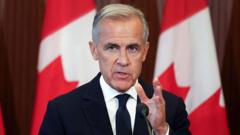
Trump's Tariffs Trigger International Trade Dispute
Fresh tensions have erupted in international commerce as Trump's tariff strategy continues to reshape global trade dynamics. Carney, representing Canadian interests, has publicly denounced what he characterizes as a significant miscalculation in the Trump administration's approach to commercial negotiations. The escalation marks a critical moment in ongoing trade talks that have now collapsed entirely.
Canada Announces Retaliatory Measures
In response to the aggressive tariff implementation, Canadian leadership has announced a comprehensive set of retaliatory tariffs. Officials expressed reluctance in moving forward with these measures, underscoring the gravity of the situation. The decision comes after months of strained negotiations, with both parties failing to reach a mutually acceptable agreement on trade terms and conditions.
Analysis of the Trade War Implications
The breakdown in trade talks represents more than a simple commercial disagreement. Both nations have signaled their commitment to protecting domestic interests, creating a concerning precedent for international commerce. Carney's characterization of Trump's tariff approach as a miscalculation reflects broader concerns about the strategy's long-term economic consequences for multiple stakeholders across North America.
Root Causes of the Breakdown
Multiple factors contributed to the collapse of trade negotiations. The initial proposals presented by the Trump administration were perceived by Canadian representatives as unreasonable and economically damaging. Rather than finding common ground, the discussions increasingly polarized, with each side doubling down on their respective positions regarding tariff levels, exemptions, and timelines for implementation.
Economic Impact and Industry Response
Business communities on both sides of the border are bracing for significant economic disruption. The announcement of retaliatory tariffs has already sent ripples through supply chains that depend on seamless cross-border commerce. Companies operating in automotive, agriculture, technology, and manufacturing sectors face particular uncertainty as they reassess their operational strategies and pricing structures.
Government Response and Future Negotiations
Despite the current impasse, both governments have indicated that diplomatic channels remain open. However, the trust deficit created by the collapsed trade talks has established a challenging foundation for future negotiations. Carney's strong language regarding the miscalculation reflects heightened frustration with the current trajectory of bilateral relations and questions about whether compromise remains achievable.
Broader Global Trade Context
This specific trade war occurs within a larger global economic environment already characterized by uncertainty and shifting alliances. The confrontation between the US and Canada sets a precedent that other trading partners are carefully monitoring. International observers are concerned that an escalation here could trigger broader protectionist responses worldwide, potentially destabilizing global markets and disrupting established supply chains.
Conclusion: What Comes Next
The situation remains fluid, with both nations committing resources to protecting their economic interests. The characterization of Trump's tariff decisions as a miscalculation by Carney suggests deep disagreement over fundamental trade philosophy and negotiating approach. As retaliatory tariffs take effect, the economic ramifications will become increasingly apparent, potentially prompting renewed dialogue or further entrenchment of positions on both sides.


