
Trump's Economic Strategy Could Severely Impact Iran's Already Strained Economy
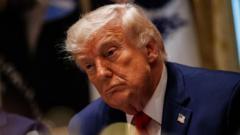
Trump's Economic Strategy and Its Potential Impact on Iran
Trump's economic strategy aimed at Iran represents a significant escalation in financial pressure that could fundamentally alter the nation's already fragile economic landscape. Over the past several years, Iran has demonstrated remarkable resilience in navigating the complex web of international sanctions, yet the implementation of more aggressive economic measures could test the limits of the country's adaptive capacity in ways previously unseen.
Historical Context of Sanctions Against Iran
The Islamic Republic has endured decades of economic restrictions imposed by various international actors. However, the intensity and scope of sanctions have fluctuated based on diplomatic relations and geopolitical circumstances. Iran's economy has been subjected to severe restrictions affecting its oil exports, banking sector, and access to international markets, creating substantial challenges for ordinary citizens and businesses alike.
Previous Adaptation Methods
Throughout years of punitive economic measures, Iran has successfully developed sophisticated workarounds and alternative trading mechanisms. The nation established shadow networks, utilized cryptocurrency transactions, and cultivated relationships with countries willing to circumvent international restrictions. Additionally, Iran's government implemented domestic policies aimed at reducing dependency on imports and promoting self-sufficiency in critical industries.
The Scale of Economic Disruption
Trump's economic strategy introduces unprecedented levels of financial pressure that could overwhelm existing adaptation mechanisms. The proposed measures target not only traditional sectors like petroleum and petrochemicals but also financial institutions, telecommunications, and manufacturing. This comprehensive approach differs markedly from previous sanction regimes, which often contained exemptions or grace periods for compliance.
Banking Sector Vulnerability
Iran's banking system represents a critical pressure point in the broader economic structure. Financial institutions struggling under current restrictions would face additional obstacles in conducting legitimate international transactions. The inability to access global banking networks severely constrains the nation's capacity to conduct trade, transfer funds, and maintain commercial relationships with international partners.
Oil Export Implications
The energy sector, traditionally Iran's economic backbone, faces substantial threats under enhanced economic measures. Restrictions on crude oil sales and petroleum products would directly reduce government revenues essential for maintaining public services, infrastructure development, and debt servicing obligations. Downstream industries dependent on reliable energy supply would experience cascading disruptions.
Humanitarian and Social Consequences
Economic pressure inevitably affects civilian populations disproportionately. Unemployment, inflation, and currency devaluation create hardship for ordinary Iranians struggling to maintain basic living standards. Healthcare systems, education sectors, and social services suffer as government resources become increasingly constrained, potentially triggering broader societal instability.
Currency and Inflation Pressures
The Iranian rial has experienced significant depreciation under existing sanctions. Additional economic sanctions would likely accelerate currency devaluation, triggering inflationary spirals that erode purchasing power. Citizens face rising prices for essential goods while wages stagnate, creating genuine hardship for middle and lower-income populations.
Potential Limitations and Unforeseen Consequences
Despite the severity of Trump's economic strategy, Iran may still identify alternative pathways for limited economic activity. Some nations, motivated by commercial interests or geopolitical considerations, might resist full compliance with enhanced sanctions. Black market activities and informal trade networks could persist, though operating at reduced capacity and higher risk levels.
Furthermore, excessive economic pressure sometimes produces unintended diplomatic consequences. Authoritarian regimes facing existential economic threats may become more intransigent in negotiations rather than more cooperative, potentially escalating regional tensions and creating security challenges that extend beyond purely economic dimensions.
International Cooperation and Enforcement Challenges
The effectiveness of Trump's economic strategy depends significantly on international cooperation and enforcement mechanisms. Competing geopolitical interests, commercial relationships, and differing perspectives on Iran policy create obstacles to comprehensive sanctions implementation. Countries prioritizing trade relationships or maintaining balanced regional positioning may attempt limited circumvention.
Strategic Partner Considerations
Nations including China and Russia have demonstrated willingness to maintain limited commercial relationships despite international sanctions regimes. These relationships, while constrained, provide minimal economic lifelines that could prevent complete economic collapse, though insufficient to restore prosperity or normalize economic conditions.
Long-term Economic Outlook
Trump's economic strategy could fundamentally reshape Iran's economic trajectory for years or decades. Recovery would require comprehensive sanctions relief and substantial international investment in reconstruction, conditions unlikely to materialize in the near term. The nation faces a prolonged period of economic contraction, declining living standards, and limited opportunities for meaningful development.
The ultimate impact of Trump's economic strategy on Iran depends on sustained international coordination, the regime's capacity for internal adaptation, and broader geopolitical developments. While Iranian officials may continue exploring creative solutions to economic restrictions, the scale and scope of new measures present challenges of unprecedented magnitude.


