
Trump Weighs AI Security Controls Following OpenAI Breaches
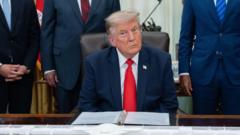
Trump Administration Shifts AI Oversight Strategy
The Trump administration is actively evaluating AI security controls in response to recent breaches affecting major technology firms, signaling a significant departure from its previously permissive regulatory approach to artificial intelligence. This reassessment reflects growing concerns about the vulnerability of critical AI systems to sophisticated cyber attacks.
A New Direction for Technology Policy
This development represents a marked change in course for an administration that has historically favored minimal intervention in the technology sector. Previously, the government's philosophy emphasized innovation acceleration through reduced regulatory barriers. However, emerging security challenges are forcing policymakers to reconsider the balance between fostering technological advancement and protecting national interests.
Understanding the Security Concerns
Recent incidents have exposed vulnerabilities within leading AI platforms, prompting federal authorities to prioritize the implementation of robust protective frameworks. AI security controls now appear central to broader discussions about safeguarding both private infrastructure and government operations from cyber threats. The breaches have demonstrated that even well-resourced technology companies require comprehensive security architecture to prevent unauthorized access.
Industry Impact and Response
Major artificial intelligence developers face increased pressure to demonstrate sophisticated cybersecurity capabilities. This shift creates a new regulatory environment where security audits and compliance verification become essential prerequisites for operating advanced AI systems. Companies must now allocate substantial resources toward infrastructure hardening and breach prevention protocols.
Regulatory Framework Under Development
Federal officials are collaborating with technology leaders to develop standardized AI security controls that balance operational efficiency with threat mitigation. The emerging framework addresses multiple threat vectors, including data exfiltration, system manipulation, and unauthorized model access. Proposed measures include mandatory security certifications, regular penetration testing, and incident reporting requirements.
National Security Implications
Beyond commercial concerns, government agencies recognize that compromised AI systems could threaten military capabilities, intelligence operations, and critical infrastructure management. This national security dimension underscores the importance of establishing government-backed security standards applicable across both private and public sectors.
The Path Forward
Administration officials are consulting with congressional committees to establish appropriate regulatory authority for implementing comprehensive AI security controls. The process involves balancing innovation preservation with security requirements, ensuring companies can continue developing advanced technologies while meeting enhanced protection standards. This cooperative approach seeks to avoid stifling emerging AI capabilities while addressing legitimate security vulnerabilities.
The administration's revised position suggests that technology governance will increasingly emphasize protection alongside growth. Future policy decisions will likely reflect this dual commitment to both supporting innovation and ensuring systems remain secure against evolving threats. Industry participants should prepare for a more structured regulatory environment where security compliance becomes non-negotiable.


