
Trump Threatens Canada Tariffs Over Wildfire Smoke Affecting US Cities
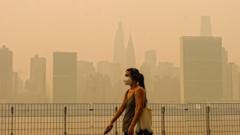
Trump Warns of Trade Measures Over Cross-Border Wildfire Smoke
The Trump administration has issued warnings regarding potential tariff increases aimed at Canada, citing concerns over wildfire smoke that continues to affect air quality across major US cities. This Trump Canada tariffs wildfire smoke dispute represents a significant escalation in tensions between the two nations regarding environmental management and transboundary pollution.
The administration's position centers on the persistent presence of smoke originating from Canadian wildfires, which has resulted in degraded air quality in numerous American metropolitan areas. Officials have characterized the air conditions as particularly concerning for public health, prompting the administration to consider trade-related responses as leverage for addressing the issue.
Carney Advocates for Shared Environmental Responsibility
Canadian Leader Mark Carney has responded to these threats by emphasizing that both nations bear equal responsibility in combating climate change and its associated environmental consequences. His statement underscores a fundamental disagreement regarding how the situation should be framed and managed diplomatically.
Carney's position reflects Canada's perspective that climate change represents a shared continental and global challenge requiring collaborative solutions rather than punitive trade measures. He has argued that the root causes of intensified wildfire activity extend beyond national borders and demand coordinated environmental policy responses.
The Link Between Climate Change and Wildfire Intensity
Environmental experts have consistently documented the connection between shifting climate patterns and increasingly severe wildfire conditions across North America. Scientific research demonstrates that rising temperatures, prolonged droughts, and altered precipitation patterns create ideal conditions for more frequent and intense wildfires.
These climate-driven factors affect both Canadian and US territories, meaning that wildfire management represents a cross-border environmental challenge. The smoke dispersal patterns observed in recent years reflect atmospheric conditions that transcend political boundaries, affecting air quality in states hundreds of miles away from fire origins.
Air Quality Impact on US Cities
Major American cities have experienced notable deterioration in air quality during wildfire season, with public health officials issuing advisories for vulnerable populations including children, elderly residents, and individuals with respiratory conditions. The particulate matter in wildfire smoke poses legitimate health concerns that have prompted government action.
However, the choice of tariffs as a response mechanism has generated debate regarding whether trade measures constitute an effective tool for environmental problem-solving. Critics argue that addressing wildfire smoke requires environmental management strategies rather than economic pressure tactics.
Differing Approaches to Cross-Border Environmental Issues
The dispute reflects broader disagreements over how nations should address transboundary environmental problems. The US approach emphasizes using economic leverage, while Canada's position advocates for climate policy alignment and collaborative environmental management.
International environmental law and practice suggest that cross-border pollution issues typically require negotiated solutions rather than unilateral trade actions. Both nations have established frameworks for environmental cooperation, though their effectiveness in addressing wildfire-related air quality issues remains contested.
Climate Policy and Wildfire Management
Effective wildfire mitigation requires comprehensive strategies including forest management, prescribed burns, rapid response capabilities, and long-term climate resilience planning. Both countries have invested in these areas, though wildfire seasons continue to produce significant smoke impacts affecting transboundary air quality.
The Trump Canada tariffs wildfire smoke controversy highlights tensions between short-term environmental impacts and the longer-term climate policy changes that experts identify as necessary for reducing wildfire severity. Environmental scientists emphasize that meaningful solutions require addressing underlying climate patterns rather than responding reactively to seasonal smoke events.
International Implications and Future Negotiations
This dispute carries implications for US-Canada relations and establishes precedent for how environmental issues might be addressed through trade policy mechanisms. The outcome could influence how other nations approach transboundary environmental challenges.
Moving forward, both governments face pressure to develop coordinated approaches that address immediate air quality concerns while pursuing longer-term environmental objectives. Whether tariff threats lead to negotiated environmental agreements or escalate trade tensions remains uncertain, but the underlying environmental issues will persist regardless of the diplomatic outcome.


